Hello everyone,
I am sorry for pretty much abandoning this blog, Lumiel passed away on March 20, 2013, he did not even spend a year with me. I was quite upset over losing another hamster so suddenly and out of the blue and needed a break from hamsters in general.
I am hoping to be able to get back into the swing of things soon, however I do not know how often I will be able to update this website for a little while longer.
I just wanted to give everyone that used to read this an update.
I hope everyone has happy holidays.
~Holly
Thursday, December 4, 2014


Friday, July 12, 2013
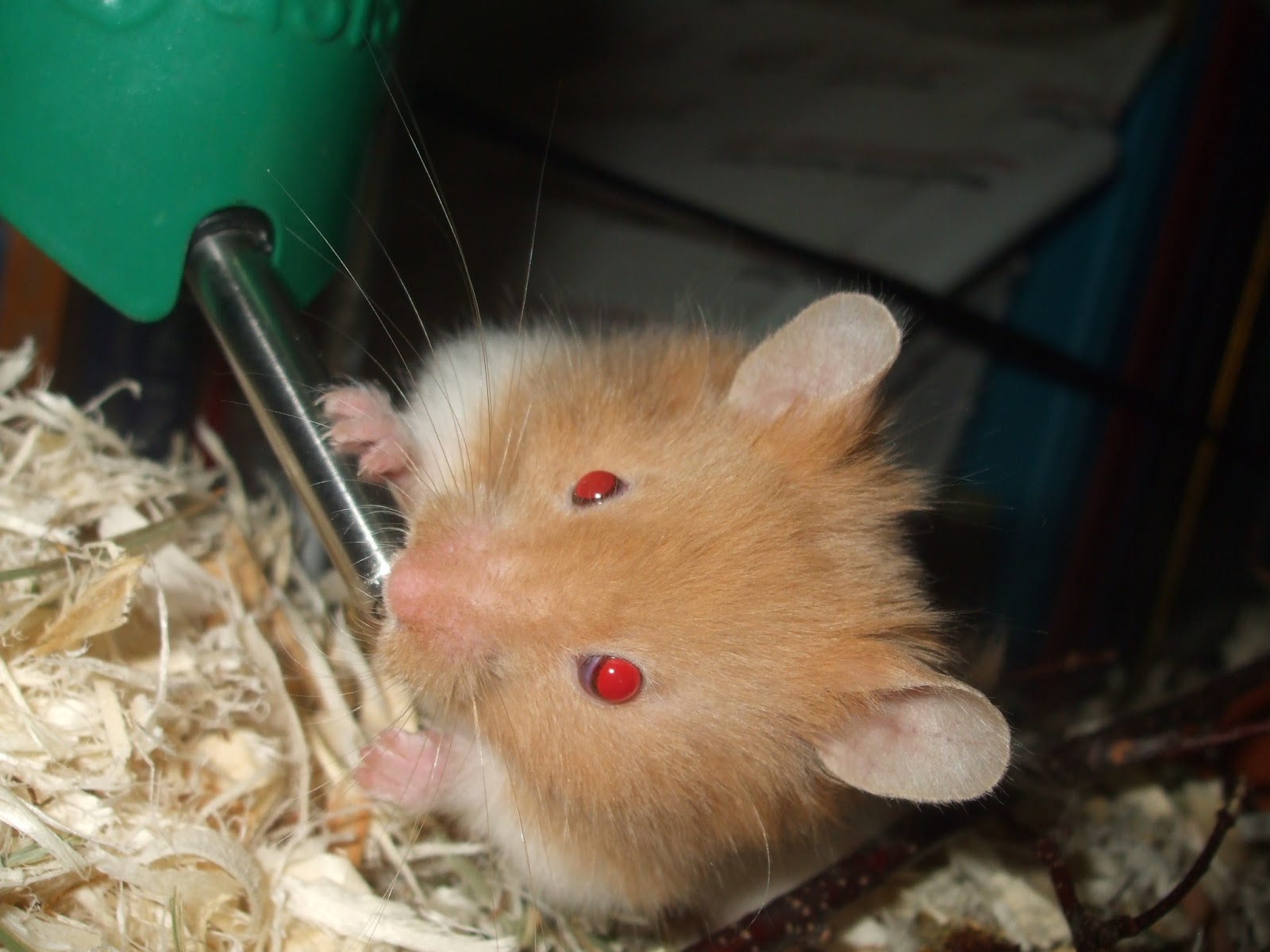
Meet Lumiel
After a short break from hamsters so that I could finish off my school year and delve into working over the summer I have finally welcomed another hamster into my life. He is a long haired banded mink syrian named Lumiel. He seems to be a rather mellow and easy going little guy that is most certainly an avid wheel hamster. And now without further delay, the pictures!




I would also like to take the time to mention that I do also have a youtube channel where I share videos of my pets, mostly of the hamsters. The link is right here: My Youtube Channel. Here's a sample:
Wednesday, July 10, 2013
A Scientific Look at Pine and Cedar
Over on the Hamster Hideout Forum (www.hamsterhideout.com/forum) a couple of members under the username's Taxonomist and tbiM20 both worked together to create a more scientific based look at cedar and pine shavings and the associated dangers of using them for small animals including hamsters. The link to this post is right here: Cedar and Pine: Why You Should Avoid It.
The post is careful to explain what it is about these softwoods that makes them so dangerous for use in a hamster's home and also explains exactly why pine and cedar are so toxic. If you aren't convinced to switch to an alternative substrate yet then please do give this article a read in order to at least understand what your choice means for your hamster.
The post is careful to explain what it is about these softwoods that makes them so dangerous for use in a hamster's home and also explains exactly why pine and cedar are so toxic. If you aren't convinced to switch to an alternative substrate yet then please do give this article a read in order to at least understand what your choice means for your hamster.
Wednesday, February 27, 2013
Dealing with Death
In light of losing my two new boys for no explainable reason, I was forced to face the hardest part of having pets in my life: losing them. It's inevitable, everything must one day die as the circle of life dictates. But that fact doesn't really make it easier. The fact that hamsters are small, cheap to obtain, and live relatively short lives does not make it any easier either no matter how much some people believe that it should.
I want to talk about dealing with this loss. Since everyone deals with death differently and everyone grieves differently I am going to attempt to cover what I can.
Finding a pet already gone is different, but no less difficult, than having to decide whether or not to euthanize them if they are ill or hurting. In that situation, as a pet parent it is your responsibility to decide what is best for your pet over what you may feel is best for you. It is easy to let your emotions cloud your judgement, but it is essential that you do assess their quality of life. If they are only going to get worse, if they are living in constant pain, if the bad days are more frequent than the good days than it may be time to help your pet pass peacefully. As odd as it may sound to some people, sometimes it is the animals themselves that let you know when they are ready to go. When my dog, Blue, was very ill and we knew that we would have to help him pass soon, it was him that let me know. One morning he looked at me and just let me know. I don't know how I understood him, but he did let me know. My father has often talked about this with cats of his past, and I have heard stories of other animals seeming to be able to communicate this to humans. Sometimes they don't let you know, and then it comes down to trying to understand your pet and whether holding on is the humane decision. (Side note: I have heard of people attempting to use CO2 chambers at home as a method of euthanization, this is not considered humane and I do not recommend it. The safest way to help your pet pass peacefully is to take them to a trained vet. Keep in mind that due to a hamster's small size they should be sedated (gas) prior to the injection to avoid unnecessary pain).
When they have passed there is the reality that pet owners must face of deciding what to do with their pet's body. I, myself, bury my pets in the yard so that they are always close to home. Others bury their pets in pots and grow plants in them, the body giving life to something new. Some bury their pets in parks or in the woods (be sure to check your local laws). Some pet cemeteries cater to small animals too. Burial aside, there is also cremation, often available through your vet though private companies do exist too. What you do with the ashes is then up to you whether you choose to keep them in an urn, spread them, or do something else with them. I've heard of companies that can put ashes into pendents and such as jewelry so that they are always close by (be sure to research the company well, I have heard stories of companies not keeping proper track of the ashes). One person on a forum brought their hamster to a taxidermist. What you do with the body is often determined by finances and circumstances, but do what feels right for you.
Wanting to know where your pet has gone beyond this life largely depends on your own beliefs. The most common story shared among animal lovers is that of Rainbow Bridge:
I want to talk about dealing with this loss. Since everyone deals with death differently and everyone grieves differently I am going to attempt to cover what I can.
Finding a pet already gone is different, but no less difficult, than having to decide whether or not to euthanize them if they are ill or hurting. In that situation, as a pet parent it is your responsibility to decide what is best for your pet over what you may feel is best for you. It is easy to let your emotions cloud your judgement, but it is essential that you do assess their quality of life. If they are only going to get worse, if they are living in constant pain, if the bad days are more frequent than the good days than it may be time to help your pet pass peacefully. As odd as it may sound to some people, sometimes it is the animals themselves that let you know when they are ready to go. When my dog, Blue, was very ill and we knew that we would have to help him pass soon, it was him that let me know. One morning he looked at me and just let me know. I don't know how I understood him, but he did let me know. My father has often talked about this with cats of his past, and I have heard stories of other animals seeming to be able to communicate this to humans. Sometimes they don't let you know, and then it comes down to trying to understand your pet and whether holding on is the humane decision. (Side note: I have heard of people attempting to use CO2 chambers at home as a method of euthanization, this is not considered humane and I do not recommend it. The safest way to help your pet pass peacefully is to take them to a trained vet. Keep in mind that due to a hamster's small size they should be sedated (gas) prior to the injection to avoid unnecessary pain).
When they have passed there is the reality that pet owners must face of deciding what to do with their pet's body. I, myself, bury my pets in the yard so that they are always close to home. Others bury their pets in pots and grow plants in them, the body giving life to something new. Some bury their pets in parks or in the woods (be sure to check your local laws). Some pet cemeteries cater to small animals too. Burial aside, there is also cremation, often available through your vet though private companies do exist too. What you do with the ashes is then up to you whether you choose to keep them in an urn, spread them, or do something else with them. I've heard of companies that can put ashes into pendents and such as jewelry so that they are always close by (be sure to research the company well, I have heard stories of companies not keeping proper track of the ashes). One person on a forum brought their hamster to a taxidermist. What you do with the body is often determined by finances and circumstances, but do what feels right for you.
Wanting to know where your pet has gone beyond this life largely depends on your own beliefs. The most common story shared among animal lovers is that of Rainbow Bridge:
"Just this side of heaven is a place called Rainbow Bridge.
When an animal dies that has been especially close to someone here, that pet goes to Rainbow Bridge.
There are meadows and hills for all of our special friends so they can run and play together.
There is plenty of food, water and sunshine, and our friends are warm and comfortable.
All the animals who had been ill and old are restored to health and vigour; those who were hurt or maimed are made whole and strong again, just as we remember them in our dreams of days and times gone by.
The animals are happy and content, except for one small thing; they each miss someone very special to them, who had to be left behind.
They all run and play together, but the day comes when one suddenly stops and looks into the distance. His bright eyes are intent; His eager body quivers. Suddenly he begins to run from the group, flying over the green grass, his legs carrying him faster and faster.
You have been spotted, and when you and your special friend finally meet, you cling together in joyous reunion, never to be parted again. The happy kisses rain upon your face; your hands again caress the beloved head, and you look once more into the trusting eyes of your pet, so long gone from your life but never absent from your heart.
Then you cross Rainbow Bridge together.... "
~Author unknown
When an animal dies that has been especially close to someone here, that pet goes to Rainbow Bridge.
There are meadows and hills for all of our special friends so they can run and play together.
There is plenty of food, water and sunshine, and our friends are warm and comfortable.
All the animals who had been ill and old are restored to health and vigour; those who were hurt or maimed are made whole and strong again, just as we remember them in our dreams of days and times gone by.
The animals are happy and content, except for one small thing; they each miss someone very special to them, who had to be left behind.
They all run and play together, but the day comes when one suddenly stops and looks into the distance. His bright eyes are intent; His eager body quivers. Suddenly he begins to run from the group, flying over the green grass, his legs carrying him faster and faster.
You have been spotted, and when you and your special friend finally meet, you cling together in joyous reunion, never to be parted again. The happy kisses rain upon your face; your hands again caress the beloved head, and you look once more into the trusting eyes of your pet, so long gone from your life but never absent from your heart.
Then you cross Rainbow Bridge together.... "
~Author unknown
Some people believe that they will be born again, and that we may encounter them in our lives once again in a new body. Others feel that they stay close to us as we continue to live. It's a touchy subject for some. I know that I find comfort in believing that one day, somehow, I will see them again. Deep down I know it to be true for me. Whatever you believe, know that it is normal to question this.
In fact it is normal to question your pet's death. Questions of why it had to happen, what you could have done differently, why they couldn't have lived longer, will the hurt ever go away? I've heard answers from many people and it yet I always ask these questions, often without answer. It is often part of the grieving process. Shock, denial, anger, and sadness are all common. Not everyone cries, not everyone feels the need to lock themselves away, not everyone deals with it the same way.
I am often asked how I can continue to have pets when their loss hurts so much. I have had quite a few pets in my life so far, and I have no plans currently to ever not have pets in my life. No matter how much the loss hurts, the blessing of being in their lives and having them in my own is always worth it. I wouldn't trade it. As you begin to understand how you grieve, it can be easier to move through the process as well. It is not easier to lose a pet, don't get me wrong, but it is easier to navigate the hurt.
"Should I get another?" I hear this all the time along with "is it heartless to get another so soon?" or "am I replacing them?". I never look at getting a new pet as replacing the lost pet. I see it as honouring their life by opening my heart to another animal in need of a forever home. Whether you want another pet is up to you, ask yourself if you honestly do and take the time to consider it. As for how soon you let another pet into your life is dependent upon the individual. Some find a new pet helpful in the healing process, others need more time. Do what is right for you. I usually find a new animal does help me to cope, it gives me something to focus on. Sometimes I need some time and space. Take a moment to decide what you need.
Other ways to help heal is to do something special. Make a ceremony out of the burial, paint a picture, make a scrapbook, write a story, etc. I used to dedicate a page in a scrapbook to every hamster that I lost. Now I find comfort in writing a piece talking all about that pet, alongside some of my favourite pictures of them. I share them here, on this blog, and on a hamster forum (Hamsterhideout.com/forum). Finding someone that is in the same mindset as you when it comes to animals is very helpful I have found. Talking with most of my everyday friends never yielded the same comfort as talking with friends that loved animals as much as I do, even if those friends were online. Not everyone is understanding when it comes to losing a pet, especially one often viewed as cheap and easily replaced. Don't be afraid to seek out like-minded people, they do exist out there, its one of the great bonuses of the internet.
Losing your pet is unavoidable, and it isn't ever easy to deal with. In time the hurt will fade, and their picture won't always bring a tear, and the good memories will eventually bring a smile. The love they shared with us and the lessons they taught us will live on with us. Gone from this life, but never forgotten, always in our hearts.
Saturday, February 23, 2013
Rest Peacefully Boys

Yesterday I found both Billy and Vimy gone. They passed
quickly, and had been acting completely normal and healthy before. They were
snuggled together, they passed in their sleep together. They seemed so healthy
and happy, they were out playing just yesterday. There were no signs of
illness, no change in behaviour, nothing. They would have been two months old
today.
They were both such sweethearts, I was smitten with them
ever since I met them. They were kissy, silly, and sweet. I wish I could have
known them for longer and I wish I knew why they passed.
They were such wonderful hamsters and I am so thankful that
my friend, Mika, brought them into my life.
Rest peacefully Vimy and Billy.

Friday, January 25, 2013
Please Welcome...
It has been way too long to be without hamsters in my
opinion. And a forum friend Mika (of Hamsterhideout.com) agreed, so when a
lovely little hamster family came into her life, born on December 23 2012, she
offered to let me adopt some. She has been keeping me updated on their growth
and when it was finally decided who I would be taking in she was awesome and
sent lots of updates on my two.
So while visiting Mika and meeting her own zoo we caught up and I was holding the boys the entire time and even got kisses and grooming nibbles. I fell for them most instantly!
Their names are Vimy (the darker boy) after a battle in World War One in which Canadian troops claimed victory when no others could; and the lighter boy is named Billy after Billy Bishop who was the top Canadian ace pilot and third overall in World War One. I'm a history student with a fondness for the 20th century, so names relating to such was bound to occur one day.
They have settled in rather well, but I did have to give up my quest for pictures and watching them settle in order to turn on the lights before Vimy would come out of their gourd hideaway and really explore. I need to invest in red lighting it seems!
Now please finally enjoy some videos and pictures!
http://youtu.be/rWGJQrJ3vVs
http://youtu.be/AYJZLId2MAk
So while visiting Mika and meeting her own zoo we caught up and I was holding the boys the entire time and even got kisses and grooming nibbles. I fell for them most instantly!
Their names are Vimy (the darker boy) after a battle in World War One in which Canadian troops claimed victory when no others could; and the lighter boy is named Billy after Billy Bishop who was the top Canadian ace pilot and third overall in World War One. I'm a history student with a fondness for the 20th century, so names relating to such was bound to occur one day.
They have settled in rather well, but I did have to give up my quest for pictures and watching them settle in order to turn on the lights before Vimy would come out of their gourd hideaway and really explore. I need to invest in red lighting it seems!
Now please finally enjoy some videos and pictures!
http://youtu.be/rWGJQrJ3vVs
http://youtu.be/AYJZLId2MAk
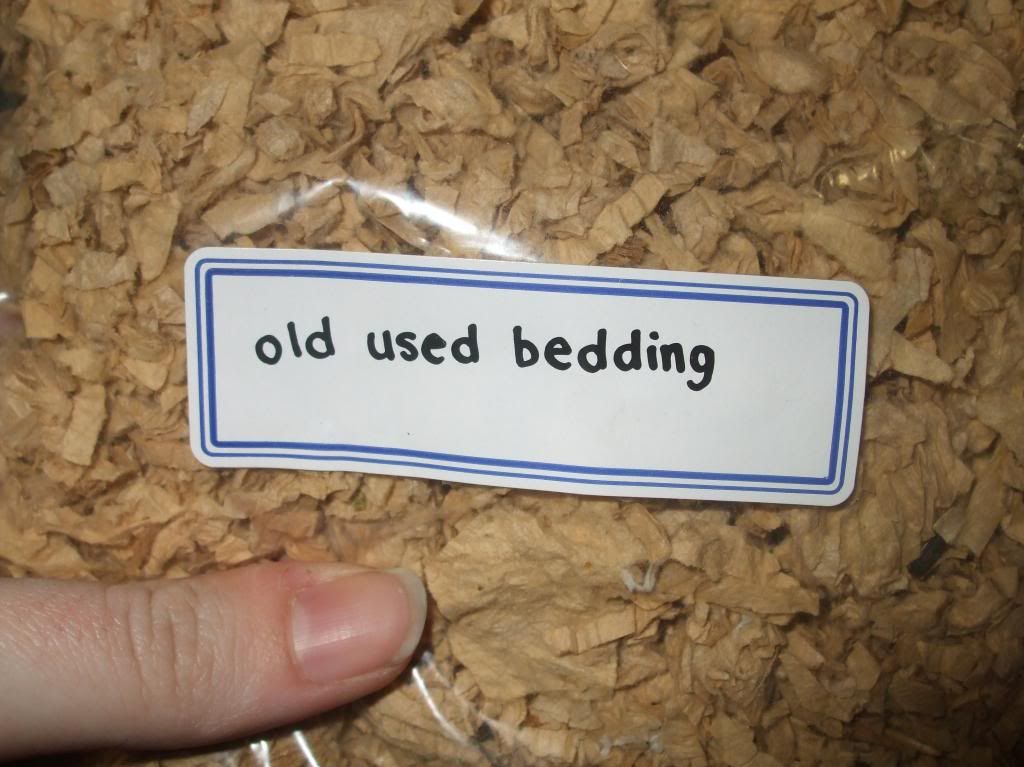
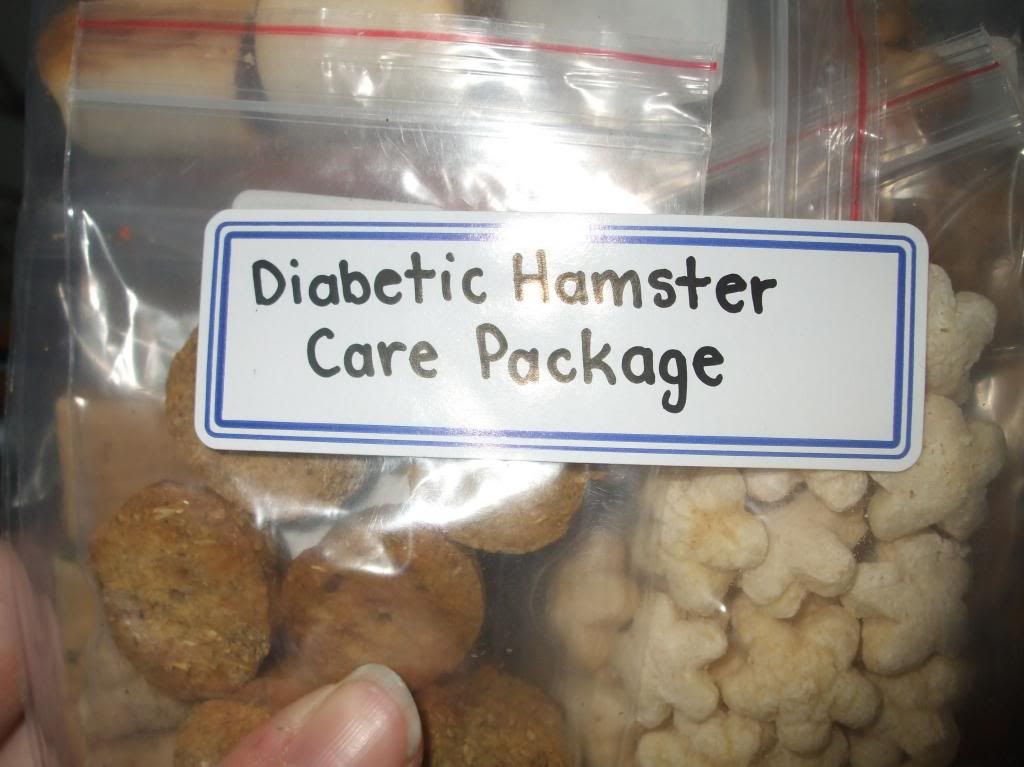
Mika sent them off with an awesome little care package too! All perfectly labeled!
Then the treat package!

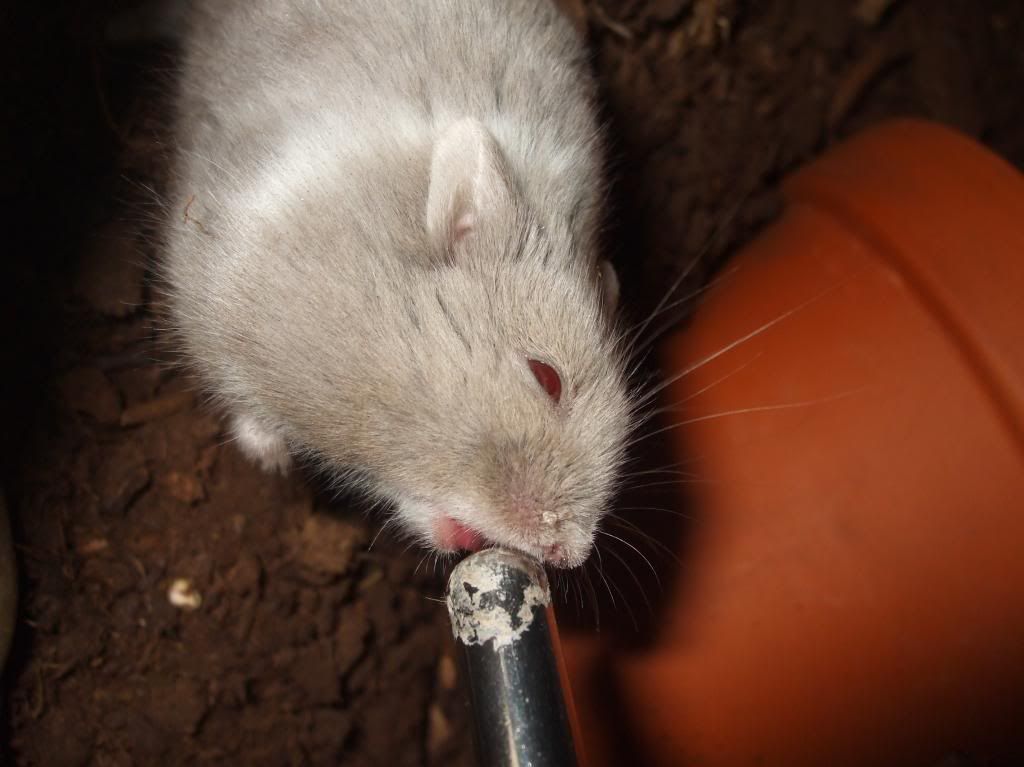
Billy:
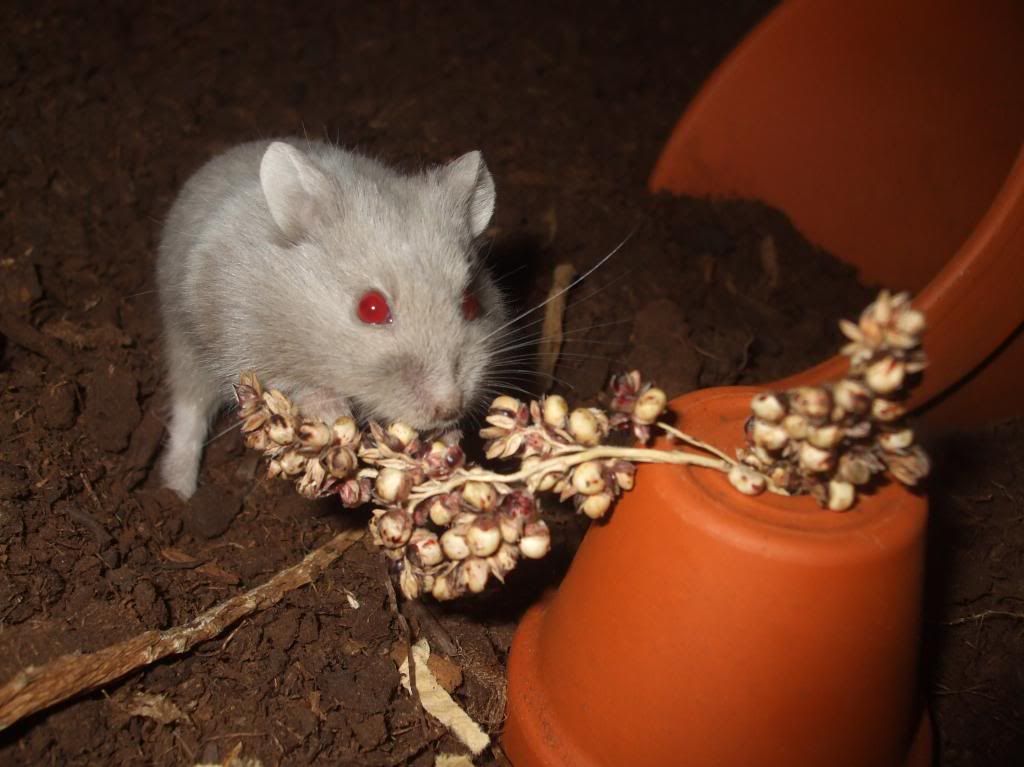
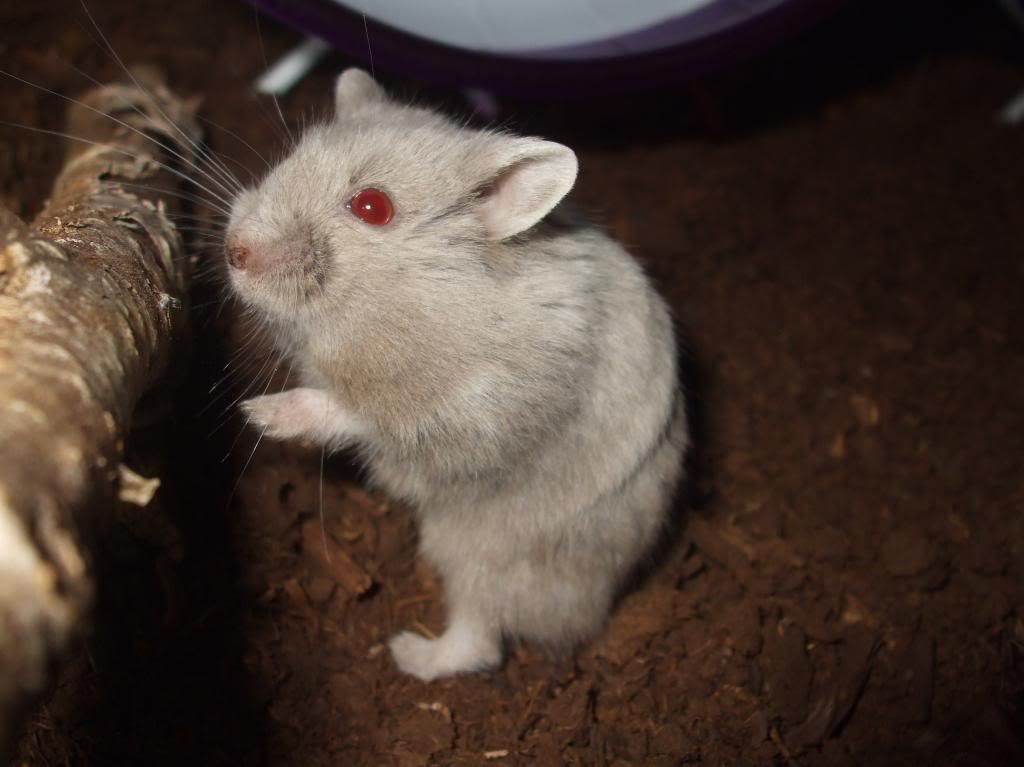

^(excuse the bottle spout, it's just hard water stains)

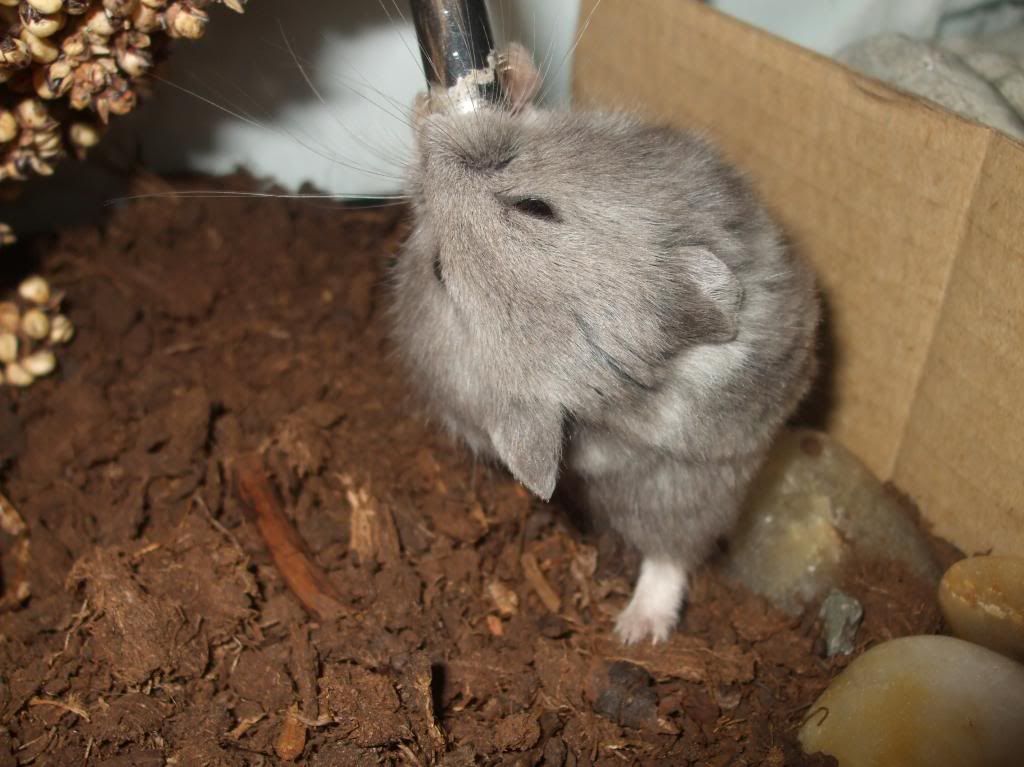
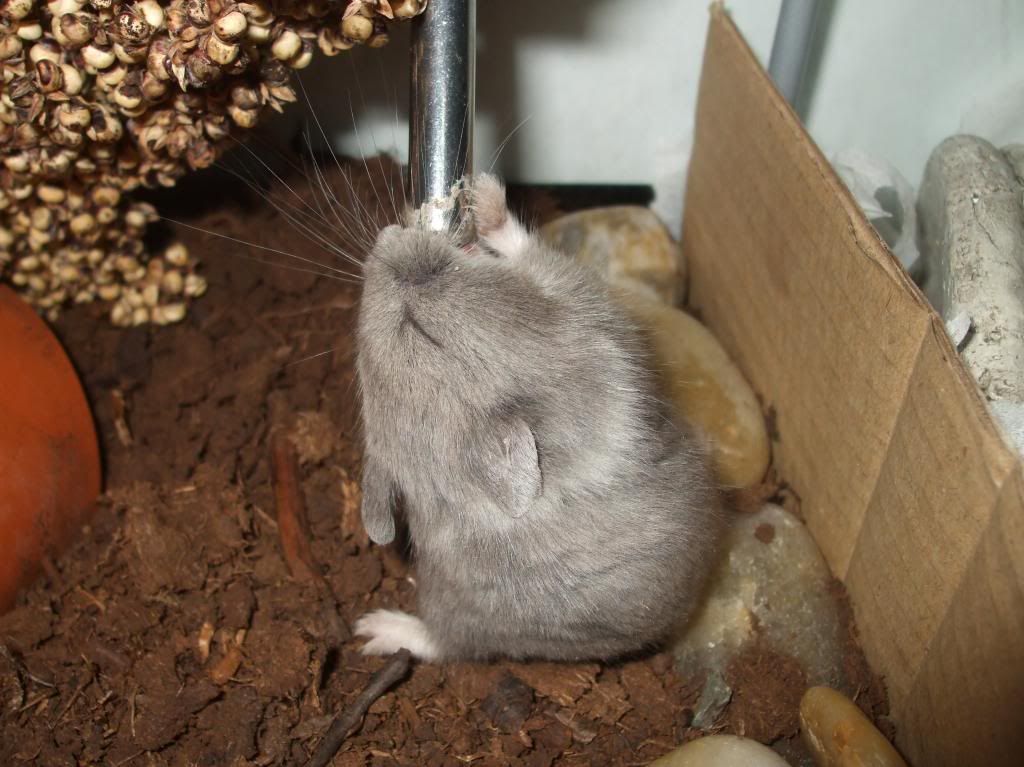
Vimy:

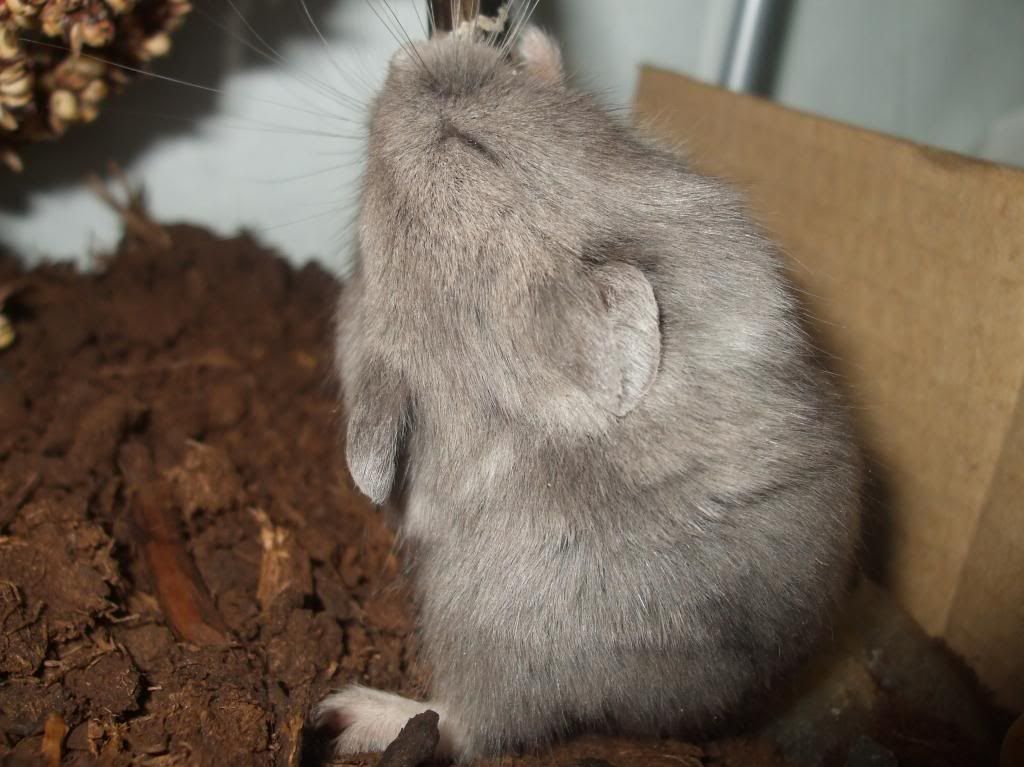
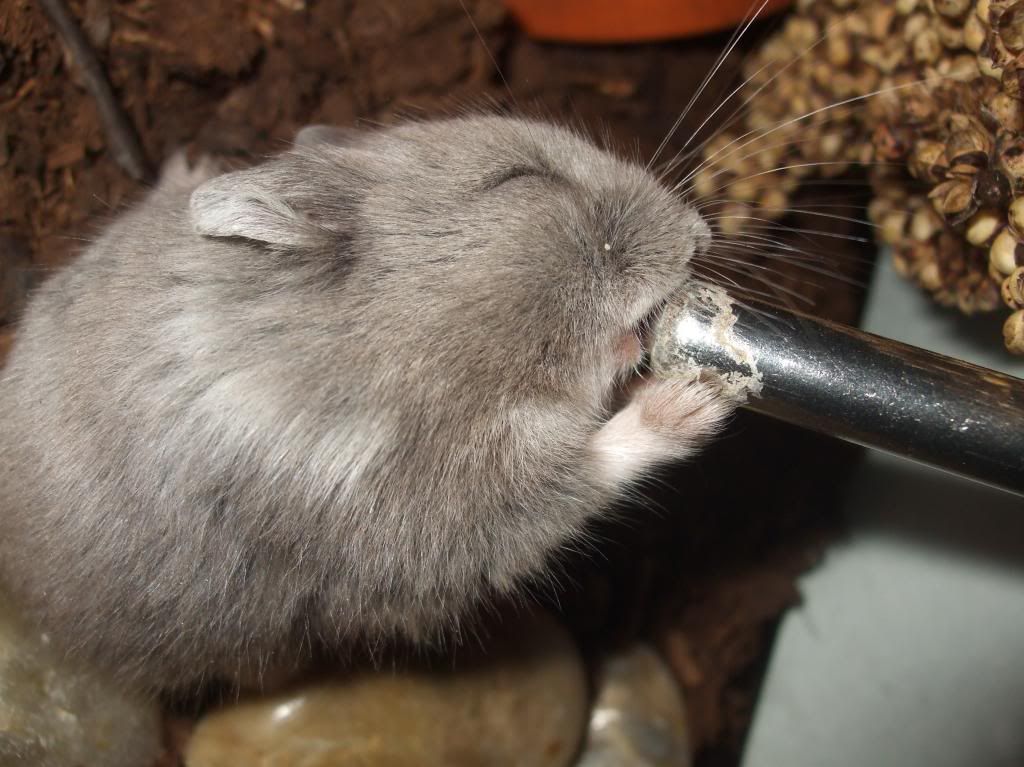
Monday, October 8, 2012
Master Food List
Introduction
When one walks down the food isle
at the pet store, it is easy to be overwhelmed by all of the choices available.
There are not only many different companies, but also many different recipes
from each company. Yet which one is a good one? Just like dog or cat food, they
are not all made equally. Unless you plan to go down the route of creating your
own mix (which isn't as easy as it may seem) than store bought mixes can be a
good option too.
So let's look at common brands of
food and consider if they are good for a hamster. If there are any you are
wondering about that do not show up on this list than just ask and I will look
into it! Problem ingredients will be bolded in blue if they are a
concern for diabetes prone species (Winter White dwarfs, Russian Campbell
dwarfs and Chinese), and will be bolded in red if they are a problem
for any species of hamster. Please keep in mind that we are looking at each mix
as if it were to be a possible staple for a hamster, not as an additive
alongside another food.
Considerations
When looking at a food it is best
to look at three basic nutrition levels first, protein, fibre, and fat;
ignoring the ingredients and often colourful packaging for a moment. Not enough research has gone into
understanding the ideal nutritional levels for a hamster, however based on the
information we do have we can make an educated guess. Based on research I have
done myself alongside conversations with other hamster enthusiasts the ideal
levels for these are as follows:
Protein: 17-22%
Fibre: 8-10%
Fat: 4-6%
Next we would look at the ingredients, careful to consider ingredients that may be harmful, ingredients that would not be beneficial for diabetic or diabetes prone species*, as well as an overall sense as to whether there is a good variety, there are not too many treats and the food is not missing any crucial ingredients. Don’t focus too much on the colourful packaging, which is designed to draw in the uneducated, especially children who will often want what looks like fun.
*Species prone to diabetes include Russian Campbell Dwarfs, Chinese hamsters, Hybrids, and some lines of Winter White Dwarfs.
Protein: 17-22%
Fibre: 8-10%
Fat: 4-6%
Next we would look at the ingredients, careful to consider ingredients that may be harmful, ingredients that would not be beneficial for diabetic or diabetes prone species*, as well as an overall sense as to whether there is a good variety, there are not too many treats and the food is not missing any crucial ingredients. Don’t focus too much on the colourful packaging, which is designed to draw in the uneducated, especially children who will often want what looks like fun.
*Species prone to diabetes include Russian Campbell Dwarfs, Chinese hamsters, Hybrids, and some lines of Winter White Dwarfs.
Warning
Companies sometimes change
ingredients and composition with little or no warning. It is important to check
it every time you buy to be sure that it is still the food you expect it to be.
I will attempt to keep this page updated; however it is difficult to keep track
of so many foods. Also keep in mind that there will be variations in what some
people may consider a suitable food based on their own research. There is just
not enough conclusive information for everyone to fall with the same opinion.
Quick Reference List
Good for any
species
-Supreme Pets Food Hazel Hamster (Note: Different than Harry Hamster)*
-Supreme Pets Food Harry Hamster (Note: Different than Hazel Hamster)*
-Supreme Science Selective Hamster*
-Supreme Pets Food Harry Hamster (Note: Different than Hazel Hamster)*
-Supreme Science Selective Hamster*
Good for Syrians
and/ or Roborovski Dwarfs
-Burgess Supahamster Hamster Harvest* [Thank you Ely
Vihavainen]
-Burgess Supahamster Dwarf Hamster Harvest* [Thank you Ely Vihavainen]
-CareFRESH Complete Menu Hamster and Gerbil*
-Kaytee Forti-Diet Pro Health Mouse, Rat and Hamster Food*
-Mazuri Hamster and Gerbil
-Burgess Supahamster Dwarf Hamster Harvest* [Thank you Ely Vihavainen]
-CareFRESH Complete Menu Hamster and Gerbil*
-Kaytee Forti-Diet Pro Health Mouse, Rat and Hamster Food*
-Mazuri Hamster and Gerbil
-ratRations Syrian mix - no fruits added (Europe Only)
-ratRations Syrian mix - with Apple (Europe Only)
-ratRations Syrian mix - with Banana (Europe Only)
-ratRations Syrian mix - with Apple (Europe Only)
-ratRations Syrian mix - with Banana (Europe Only)
Only suitable if
foods from the above lists are unavailable. Not recommended for hamsters with
diabetes, or those prone to it.
-8 in 1 Ecotrition Organic Blend Hamster and Gerbil Food
-Hamster Muesli by Pets at Home
-Premium Hamster Muesli by Pets at Home [Thank you SyrianPumpkin]
-Purina Little Wonders
-Purina Garden Recipe Hamster and Gerbil Diet
-Tesco Hamster Food Peanut and Sunflower Seed
-Versele-Laga Hamster Nature Complete [Thank you Ingrid Haugland, Ely Vihavainen]
-Vitakraft Vitasmart Hamster
-8 in 1 Ecotrition Organic Blend Hamster and Gerbil Food
-Hamster Muesli by Pets at Home
-Premium Hamster Muesli by Pets at Home [Thank you SyrianPumpkin]
-Purina Little Wonders
-Purina Garden Recipe Hamster and Gerbil Diet
-Tesco Hamster Food Peanut and Sunflower Seed
-Versele-Laga Hamster Nature Complete [Thank you Ingrid Haugland, Ely Vihavainen]
-Vitakraft Vitasmart Hamster
Unsuitable
-8 in 1 Ecotrition Essential Blend Hamster and Gerbil Food
-8 in 1 Wild Harvest Daily Blend Nutrient Rich Food (Hamster and Gerbil) [Thank you the Taxonomist]
-All Living Things Hamster and Gerbil Daily Diet
-Beaphar Care+ Hamster Food [Thank you Ingrid Haugland]
-Beaphar Care+ Dwarf Hamster Food [Thank you Ingrid Haugland]
-Best Friend Festival [Thank you Ely Vihavainen]
-FM Brown's Natural Hamster Food with Vitamins and Minerals
-FM Brown's Tropical Carnival Gourmet Food for Hamsters and Gerbils (thanks to my detective friends)
-Grreat Choice Hamster/Gerbil
-Hartz Bonanza Hamster and Gerbil Diet [Thank you Hoppinghammy]
-Kaytee Forti-Diet Pro Health Hamster and Gerbil Food
-Kaytee Forti-Diet Crunch Hamster and Gerbil
-Kaytee Supreme Hamster and Gerbil
-Kaytee Forti-Diet Hamster/Gerbil
-Kaytee Chunky Hamster and Gerbil
-Kaytee Nature's Benefits Hamster and Gerbil Daily Diet
-Kaytee Fiesta Max Hamster/Gerbil
-Kaytee Supreme Daily Blend Hamster and Gerbil Mix
-Living World Extrusion pellets [Thank you SyrianPumpkin]
-Living world Classic Hamster food [Thank you SyrianPumpkin]
-LM Farms Hamster and Gerbil
-LM Animal Farms Bonanza Gourmet Diet Hamster and Gerbil
-Mucki Menü plus [Thank you Ely Vihavainen]
-Oxbow Healthy Handfuls for Hamsters and Gerbils [Thank you the Taxonomist]
-Sun Seed Sunscrition Vita Prima Hamster and Gerbil Formula
-Tesco Everyday Value Gerbil and Hamster Food
-Versele-Laga Mini Hamster Nature Complete [Thank you Ingrid Haugland, Ely Vihavainen]
-Versele-Laga Hamster Crispy [Thank you Ely Vihavainen]
-Vitakraft Emotion Beauty Hamster Food
-Vitakraft Menu Hamster
-Wagg Hamster Gerbil Mouse Munch
-Wilko Original Hamster Mix
-8 in 1 Wild Harvest Daily Blend Nutrient Rich Food (Hamster and Gerbil) [Thank you the Taxonomist]
-All Living Things Hamster and Gerbil Daily Diet
-Beaphar Care+ Hamster Food [Thank you Ingrid Haugland]
-Beaphar Care+ Dwarf Hamster Food [Thank you Ingrid Haugland]
-Best Friend Festival [Thank you Ely Vihavainen]
-FM Brown's Natural Hamster Food with Vitamins and Minerals
-FM Brown's Tropical Carnival Gourmet Food for Hamsters and Gerbils (thanks to my detective friends)
-Grreat Choice Hamster/Gerbil
-Hartz Bonanza Hamster and Gerbil Diet [Thank you Hoppinghammy]
-Kaytee Forti-Diet Pro Health Hamster and Gerbil Food
-Kaytee Forti-Diet Crunch Hamster and Gerbil
-Kaytee Supreme Hamster and Gerbil
-Kaytee Forti-Diet Hamster/Gerbil
-Kaytee Chunky Hamster and Gerbil
-Kaytee Nature's Benefits Hamster and Gerbil Daily Diet
-Kaytee Fiesta Max Hamster/Gerbil
-Kaytee Supreme Daily Blend Hamster and Gerbil Mix
-Living World Extrusion pellets [Thank you SyrianPumpkin]
-Living world Classic Hamster food [Thank you SyrianPumpkin]
-LM Farms Hamster and Gerbil
-LM Animal Farms Bonanza Gourmet Diet Hamster and Gerbil
-Mucki Menü plus [Thank you Ely Vihavainen]
-Oxbow Healthy Handfuls for Hamsters and Gerbils [Thank you the Taxonomist]
-Sun Seed Sunscrition Vita Prima Hamster and Gerbil Formula
-Tesco Everyday Value Gerbil and Hamster Food
-Versele-Laga Mini Hamster Nature Complete [Thank you Ingrid Haugland, Ely Vihavainen]
-Versele-Laga Hamster Crispy [Thank you Ely Vihavainen]
-Vitakraft Emotion Beauty Hamster Food
-Vitakraft Menu Hamster
-Wagg Hamster Gerbil Mouse Munch
-Wilko Original Hamster Mix
*Please refer to more
detailed list as there is more that should be read either in regard to debate
over a certain ingredient or that the food may need to be modified in some way
to be made suitable.
8 in 1 Ecotrition Essential Blend Hamster and Gerbil Food
Ingredients:
Oat Groats, Dehydrated Alfalfa Meal, Whole Corn, Heat Processed Soybeans, White Millet, Milo, Wheat, Pumpkin Seed, Spanish Peanuts, Diced Papaya, Banana Chips, Ground Corn, Soybean Meal, Wheat Middlings, Soybean Hulls, Ground Oats, Feeding Oatmeal, Cane Molasses, Salt, Diced Carrots, Diced Potatoes, Minced Onions, Parsley Flakes, Celery Flakes, Diced Red Peppers, Diced Green Peppers, Cabbage Flakes, Leek Flakes, Diced Zucchini, Tomato Flakes, Spinach Flakes, Flaxseed, Ground Limestone, Dicalcium Phosphate, Choline Chloride, Vitamin A Acetate, Vitamin D3 Supplement, Whey Solids, Vitamin A Palmitate, Spirulina, dl-Alpha Tocopheryl Acetate (source of Vitamin E), Ground Wheat, Corn Gluten Meal, Ascorbic Acid (source of Vitamin C), Corn Distiller's Grains, Soybean Oil, Dried Whole Egg, Calcium Carbonate, Dried Molasses, Yeast Fermentation Product, Dried Lactobacillus acidophilus Product, DriedLactobacillus bulgaricus Fermentation Product, Dried Lactobacillus lactisFermentation Product, Lecithin, Natural Mixed Pantothenate, Vitamin B12Suplement, Menadione Sodium Bisulfite Complex (source of Vitamin K), Folic Acid, Biotin, Cobalt Chloride, Copper Amino Acid Complex, Manganese Amino Acid Complex, Iron Methionine, Magnesium Oxide, Ferrous Carbonate, Ferrous Sulfate, Zinc Oxide, Manganous Oxide, Copper Sulfate, Calcium Iodate, Cobalt Carbonate, and Color Added (Red 40, Yellow 5, Yellow 6, Blue 1).
Oat Groats, Dehydrated Alfalfa Meal, Whole Corn, Heat Processed Soybeans, White Millet, Milo, Wheat, Pumpkin Seed, Spanish Peanuts, Diced Papaya, Banana Chips, Ground Corn, Soybean Meal, Wheat Middlings, Soybean Hulls, Ground Oats, Feeding Oatmeal, Cane Molasses, Salt, Diced Carrots, Diced Potatoes, Minced Onions, Parsley Flakes, Celery Flakes, Diced Red Peppers, Diced Green Peppers, Cabbage Flakes, Leek Flakes, Diced Zucchini, Tomato Flakes, Spinach Flakes, Flaxseed, Ground Limestone, Dicalcium Phosphate, Choline Chloride, Vitamin A Acetate, Vitamin D3 Supplement, Whey Solids, Vitamin A Palmitate, Spirulina, dl-Alpha Tocopheryl Acetate (source of Vitamin E), Ground Wheat, Corn Gluten Meal, Ascorbic Acid (source of Vitamin C), Corn Distiller's Grains, Soybean Oil, Dried Whole Egg, Calcium Carbonate, Dried Molasses, Yeast Fermentation Product, Dried Lactobacillus acidophilus Product, DriedLactobacillus bulgaricus Fermentation Product, Dried Lactobacillus lactisFermentation Product, Lecithin, Natural Mixed Pantothenate, Vitamin B12Suplement, Menadione Sodium Bisulfite Complex (source of Vitamin K), Folic Acid, Biotin, Cobalt Chloride, Copper Amino Acid Complex, Manganese Amino Acid Complex, Iron Methionine, Magnesium Oxide, Ferrous Carbonate, Ferrous Sulfate, Zinc Oxide, Manganous Oxide, Copper Sulfate, Calcium Iodate, Cobalt Carbonate, and Color Added (Red 40, Yellow 5, Yellow 6, Blue 1).
Guaranteed Analysis:
Crude Protein 16%
Crude Fat 7%
Crude Fibre 10% max
Crude Protein 16%
Crude Fat 7%
Crude Fibre 10% max
This mix is certainly not the
worst one out there when one first looks at the guaranteed analysis; in fact it
shows promise of being quite good. When looking at the ingredients however it
is first clear that this mix is not ideal for diabetes prone species
(ingredients bolded in blue). Yet they have also included onions and leeks
(part of the onion family) in this mix making the entire mix
unhealthy for any species of hamster (bolded in red). Onions
contain thiosulphate which can basically cause the abnormal break down of
red blood cells (the same reason dogs cannot have onions). Unfortunately due to
these two ingredients I cannot say that this mix is good for any species.
8 in 1 Ecotrition Organic Blend Hamster and Gerbil Food
Ingredients:
Organic alfalfa forage, organic oat groats, organic wheat, organic white millet, organic milo, organic corn, organic soybeans, organic pumpkin seed, organic papaya, organic dehydrated banana, organic flax seed, organic ground corn, organic soybean meal, organic ground wheat, dicalcium phosphate, organic soybean oil, calcium carbonate, organic spinach powder, dl-methionine, vitamin A supplement, vitamin D3 supplement, vitamin B12 supplement, vitamin e supplement, calcium pantothenate, choline chloride, menadione dimethylpyrimidinol bisulfate (source of vitamin K activity), niacin, biotin, folic acid, riboflavin, ethylenediamine dihydriodide, cobalt carbonate, iron (ferrous) sulfate, manganous oxide, manganese sulfate, copper sulfate, zinc oxide, sodium selenite, red cabbage extract, purple carrot juice, annatto extract.
Organic alfalfa forage, organic oat groats, organic wheat, organic white millet, organic milo, organic corn, organic soybeans, organic pumpkin seed, organic papaya, organic dehydrated banana, organic flax seed, organic ground corn, organic soybean meal, organic ground wheat, dicalcium phosphate, organic soybean oil, calcium carbonate, organic spinach powder, dl-methionine, vitamin A supplement, vitamin D3 supplement, vitamin B12 supplement, vitamin e supplement, calcium pantothenate, choline chloride, menadione dimethylpyrimidinol bisulfate (source of vitamin K activity), niacin, biotin, folic acid, riboflavin, ethylenediamine dihydriodide, cobalt carbonate, iron (ferrous) sulfate, manganous oxide, manganese sulfate, copper sulfate, zinc oxide, sodium selenite, red cabbage extract, purple carrot juice, annatto extract.
Guaranteed Analysis:
Protein 16%
Fat 7%
Fibre 12%
Protein 16%
Fat 7%
Fibre 12%
This mix does look decent upon
first look at the guaranteed analysis, the protein and fibre percentages are
all quite reasonable. Although the protein could be a bit higher. The fat
content is also higher than one would like and the mix does not even contain
sunflower seeds. The ingredients bolded in blue highlight the ones which are
not beneficial as part of a diet for a diabetes prone species. Since there are
more than a couple along with the carrot juice, it is not a food recommended
for diabetes prone species or for diabetic hamsters. For Syrians or roborovski
dwarf hamsters, this mix would be ok if a better one could not be found and
only if 2-3 sunflower seeds were added to the hamster's diet daily.
8 in 1 Wild
Harvest Daily Blend Nutrient Rich Food (Hamster and Gerbil)
Ingredients:
Dehydrated alfalfa meal, white millet, corn, sunflower seed, wheat, milo, kibbled wheat, kibbled corn, flaked wheat, flaked corn, ground oats, soybean hulls, wheat middlings, soybean meal, dicalcium phosphate, salt, ground limestone, Vitamin A acetate, Vitamin D3 supplement, choline chloride, Vitamin E supplement, niacin, riboflavin, pyridoxine hydrochloride, thiamine mononitrate, D-calcium, pantothenate, menadione sodium bisulfite complex (Vitamin K activity), folic acid, biotin, Vitamin B12 supplement, magnesium oxide, ferrous carbonate, ferrous sulfate, zinc oxide, manganous oxide, copper oxide, calcium iodate, cobalt carbonate, red 40, yellow 5, yellow 6, blue 1.
Dehydrated alfalfa meal, white millet, corn, sunflower seed, wheat, milo, kibbled wheat, kibbled corn, flaked wheat, flaked corn, ground oats, soybean hulls, wheat middlings, soybean meal, dicalcium phosphate, salt, ground limestone, Vitamin A acetate, Vitamin D3 supplement, choline chloride, Vitamin E supplement, niacin, riboflavin, pyridoxine hydrochloride, thiamine mononitrate, D-calcium, pantothenate, menadione sodium bisulfite complex (Vitamin K activity), folic acid, biotin, Vitamin B12 supplement, magnesium oxide, ferrous carbonate, ferrous sulfate, zinc oxide, manganous oxide, copper oxide, calcium iodate, cobalt carbonate, red 40, yellow 5, yellow 6, blue 1.
Guaranteed
Analysis:
Protein 12%
Fat 4%
Fibre 10%
Protein 12%
Fat 4%
Fibre 10%
This mix is too low in protein to be a suitable mix for any species
of hamster. The fibre and fat content are alright and the ingredients that are
not suitable for diabetic or diabetes prone species are able to be picked out.
However, I cannot recommend this food for any species of hamster due to the
protein level.
All
Living Things Hamster and Gerbil Daily Diet
Ingredients:
Corn, wheat, milo, ground corn, dehulled soybean meal, sun-cured alfalfa meal, sunflower seeds, white millet, ground wheat, shelled peanuts, ground oats, wheat middlings, pumpkin seed, green split peas, raisins, dehydrated carrots, dried bananas, dried papaya, dehydrated sweet potatoes, dehydrated apples, fructooligosaccharide, dicalcium phosphate, soy oil, calcium carbonate, salt, whole cell algae meal (source of omgega-3 and DHA), dried cane molasses, ground flax seed, vitamin A supplement, choline chloride, l-lysine, dl-methionine, wheat germ meal, brewers dried yeast, riboflavin supplement, mixed tocopherols (a preservative), ferrous sulfate, vitamin B12 supplement, vitamin E supplement, yucca schidigera extract, l-ascorbyl-2-polyphosphate (source of vitamin C), manganous oxide, zinc oxide, niacin, menadione sodium bisulfite complex (source of vitamin K activity), copper sulfate, rosemary extract, citric acid, cholecalciferol (source of vitamin D3), calcium pantothenate, pyridoxine hydrochloride, thiamine mononitrate, folic acid, biotin, calcium iodate, cobalt carbonate, dried bacillus subtilis fermentation product, dried bacillus licheniformis fermentation product, sodium selenite, FD&C red #40, FD&C yellow #5, FD&C blue #1.
Corn, wheat, milo, ground corn, dehulled soybean meal, sun-cured alfalfa meal, sunflower seeds, white millet, ground wheat, shelled peanuts, ground oats, wheat middlings, pumpkin seed, green split peas, raisins, dehydrated carrots, dried bananas, dried papaya, dehydrated sweet potatoes, dehydrated apples, fructooligosaccharide, dicalcium phosphate, soy oil, calcium carbonate, salt, whole cell algae meal (source of omgega-3 and DHA), dried cane molasses, ground flax seed, vitamin A supplement, choline chloride, l-lysine, dl-methionine, wheat germ meal, brewers dried yeast, riboflavin supplement, mixed tocopherols (a preservative), ferrous sulfate, vitamin B12 supplement, vitamin E supplement, yucca schidigera extract, l-ascorbyl-2-polyphosphate (source of vitamin C), manganous oxide, zinc oxide, niacin, menadione sodium bisulfite complex (source of vitamin K activity), copper sulfate, rosemary extract, citric acid, cholecalciferol (source of vitamin D3), calcium pantothenate, pyridoxine hydrochloride, thiamine mononitrate, folic acid, biotin, calcium iodate, cobalt carbonate, dried bacillus subtilis fermentation product, dried bacillus licheniformis fermentation product, sodium selenite, FD&C red #40, FD&C yellow #5, FD&C blue #1.
Guaranteed Analysis:
Crude Protein (not less than) 14%
Crude Fat (not less than) 6%
Crude Fibre (not more than) 10%
Crude Protein (not less than) 14%
Crude Fat (not less than) 6%
Crude Fibre (not more than) 10%
This mix is low in protein, far
too low for any species of hamster. There are various ingredients that should
not be provided to a diabetic hamster, or even a hamster of a species that is
prone to diabetes (Ingredients bolded in blue). Overall the mix is not a good
quality mix for any species of hamster and I would not recommend it.
Beaphar Care+ Hamster Food
Ingredients:
Cereals, derivatives of vegetable origin, seeds, vegetable protein extracts, meat and animal derivatives, minerals, Yucca Schidigera, algae (Spirulina 0.01%).
Cereals, derivatives of vegetable origin, seeds, vegetable protein extracts, meat and animal derivatives, minerals, Yucca Schidigera, algae (Spirulina 0.01%).
Guaranteed Analysis:
Nothing specific given on the package. Any information regarding this is appreciated.
Nothing specific given on the package. Any information regarding this is appreciated.
This mix is not specific in what
ingredients they use nor is much information given about the nutritional
information of this pellet. Until the company is more forthcoming in regard to
what they put into this food I cannot recommend this mix for any species of
hamster.
Beaphar Care+ Dwarf Hamster Food
Ingredients:
Cereals, derivatives of vegetable origin, meat and animal derivatives, seeds, minerals, vegetable protein extracts, Yucca Schidigera, algae (Spirulina 0.01%).
Guaranteed Analysis:
Nothing specific given on the package. Any information regarding this is appreciated.
Nothing specific given on the package. Any information regarding this is appreciated.
This mix is not specific in what
ingredients they use nor is much information given about the nutritional
information of this pellet. Until the company is more forthcoming in regard to
what they put into this food I cannot recommend this mix for any species of
hamster.
Best Friend
Festival
Ingredients:
Rodent pellets, wheat mix, alfalfa mix, oats, dari, pea chips, carrot pellets, carob, corn chips, sunflower seeds, molassed wheat, beans, carrot, peeled peanuts, saflor seeds, papaya, mango, rose hips, banana, sugar. Additives: Vitamin mix (Vitamins A, D, E and C), minerals, E330, E320, E321, E324, E172, E131, E124.
Rodent pellets, wheat mix, alfalfa mix, oats, dari, pea chips, carrot pellets, carob, corn chips, sunflower seeds, molassed wheat, beans, carrot, peeled peanuts, saflor seeds, papaya, mango, rose hips, banana, sugar. Additives: Vitamin mix (Vitamins A, D, E and C), minerals, E330, E320, E321, E324, E172, E131, E124.
Guaranteed Analysis:
Protein 13%
Fat 6%
Fibre 8.5%
Protein 13%
Fat 6%
Fibre 8.5%
This mix is too low in protein, though the fat and fibre
content is alright. The mix is full of ingredients that are unsuitable for
diabetes prone/ diabetic hamster (bolded in blue) even, for some reason, adding
sugar to the mix. Over all I would not recommend this mix for any species of
hamster.
Burgess Supahamster Dwarf Hamster Harvest
Ingredients:
Canary Seed, Millet, Grass Pellets, Maize, Peas, Toasted Soya Flakes, Toasted Wheat Flakes, Sunflower Seeds, Poultry Fat, Mealworms.
Canary Seed, Millet, Grass Pellets, Maize, Peas, Toasted Soya Flakes, Toasted Wheat Flakes, Sunflower Seeds, Poultry Fat, Mealworms.
Guaranteed Analysis:
Protein 17.5%
Fat (not listed)
Fibre 9%
Protein 17.5%
Fat (not listed)
Fibre 9%
This mix is one of the best mixes
found out there for any hamster really, though it is aimed for dwarf hamsters
(and likely Chinese hamsters too). It is UK based, where it seems
less common for fat content to be listed, but the fibre and protein are both in
good ranges. The only thing that would need to be picked out for a diabetic hamster
or for a species prone to diabetes is the maize (corn) as they are
high in natural sugar. I would recommend this mix for Syrians and Roborovski
dwarfs as is, or for any diabetic prone species so long as the maize was picked out.
Burgess Supahamster Hamster Harvest
Ingredients:
Cooked cereal biscuits, Toasted wheat flakes, Toasted maize flakes, Toasted soya flakes, Toasted oat flakes, Grass pellets, Peas, Maize, Pumpkin seeds, peanuts, sunflower seeds, banana flakes, Poultry fat, Mealworms,vitamins D3, E and A, copper, E341, E102, E131, E306.
Guaranteed Analysis:
Protein 18%
Fat 8%
Fibre 6.5%
Cooked cereal biscuits, Toasted wheat flakes, Toasted maize flakes, Toasted soya flakes, Toasted oat flakes, Grass pellets, Peas, Maize, Pumpkin seeds, peanuts, sunflower seeds, banana flakes, Poultry fat, Mealworms,vitamins D3, E and A, copper, E341, E102, E131, E306.
Guaranteed Analysis:
Protein 18%
Fat 8%
Fibre 6.5%
This mix is aimed for Syrian
hamsters, though Roborovski dwarf hamsters could this eat as well; they would
likely prefer the smaller seeds in Burgess' Dwarf mix though. The protein level
is quite good and the mix is quite well suited for a Syrian hamster or a
Roborovski dwarf. The fat content is rather high, though limiting the amount of
pumpkin seeds and peanuts would likely cut this down a great deal. The fibre
content is a little bit low, adding some timothy hay, broccoli, kale and other
high fibre foods could help to give your hamster more of the fibre it needs. I would not
recommend this mix for any species that is prone to diabetes however due to
the presence of the ingredients bolded in blue.
CareFRESH Complete Menu Hamster and Gerbil
Ingredients:
Whole corn, soybean meal, oat groats, whole wheat, wheat mill run, ground barley, split green peas, sun-cured alfalfa hay, grass hay (timothy, orchard, brome), whole safflower, dried carrot, yeast culture, dried cane molasses, salt, sodium bentonite, sodium phosphate, lignin sulfonate, flaxseed (source of omega-3 fatty acids), soybean oil (preserved with mixed tocopherols, a source of vitamin E), choline chloride, calcium carbonate, L-lysine, DL-methionine, yucca schidigera extract, vitamin E supplement, zinc sulfate, iron sulfate, zinc proteinate, niacin, selenium yeast, copper sulfate, biotin, manganese proteinate, copper proteinate, calcium pantothenate, vitamin A supplement, sodium selenite, vitamin B2 riboflavin, vitamin B1 thiamin mononitrate, magnesium sulfate, manganous oxide, vitamin B6 pyridoxine HCl, folic acid, cobalt carbonate, vitamin D3 supplement, vitamin B12 supplement, calcium iodate and ethylenediamine dihydroiodide (source of iodine).
Whole corn, soybean meal, oat groats, whole wheat, wheat mill run, ground barley, split green peas, sun-cured alfalfa hay, grass hay (timothy, orchard, brome), whole safflower, dried carrot, yeast culture, dried cane molasses, salt, sodium bentonite, sodium phosphate, lignin sulfonate, flaxseed (source of omega-3 fatty acids), soybean oil (preserved with mixed tocopherols, a source of vitamin E), choline chloride, calcium carbonate, L-lysine, DL-methionine, yucca schidigera extract, vitamin E supplement, zinc sulfate, iron sulfate, zinc proteinate, niacin, selenium yeast, copper sulfate, biotin, manganese proteinate, copper proteinate, calcium pantothenate, vitamin A supplement, sodium selenite, vitamin B2 riboflavin, vitamin B1 thiamin mononitrate, magnesium sulfate, manganous oxide, vitamin B6 pyridoxine HCl, folic acid, cobalt carbonate, vitamin D3 supplement, vitamin B12 supplement, calcium iodate and ethylenediamine dihydroiodide (source of iodine).
Guaranteed Analysis:
Crude Protein (min) 17%
Crude Fat (min) 3.5%
Crude Fibre (min) 5%. /Crude Fibre (max) 10%
Crude Protein (min) 17%
Crude Fat (min) 3.5%
Crude Fibre (min) 5%. /Crude Fibre (max) 10%
This mix is one of the better
ones on the market, they recently changed the recipe, but it is still a rather
good mix. The protein and fibre are at good percentages, thought that fat
content could be higher. This may be due to the fact that this mix does
not contain sunflower seeds which should be a part of any hamster's
diet. If you use this mix for your roborovski dwarf or Syrian hamster, than
adding 2-3 sunflower seeds daily would be ideal; organic unseasoned sunflower
seeds work best. This mix is still not ideal for diabetes-prone species seeing
as there are some ingredients that are not best to have in their diet (bolded
in blue). I would recommend this mix for roborovski dwarfs or Syrians so long
as sunflower seeds were added.
FM Brown's Natural Hamster Food with Vitamins and Minerals
Ingredients:
Corn, alfalfa meal dehydrated, timothy hay, milo, millet, wheat flour by-product less than 9.5% fibre, oats, wheat bran, split green peas, stripe sunflower seed, wheat germ ground, soybean flour by-product, vitamin A palmitate, cholecalciferol (source of vitamin D3), vitamin E supplement, vitamin B12 supplement, calcium carbonate, dicalcium phosphate, salt, manganese proteinate, iron proteinate, copper proteinate, cobalt proteinate, calcium proteinate and zinc proteinate.
Corn, alfalfa meal dehydrated, timothy hay, milo, millet, wheat flour by-product less than 9.5% fibre, oats, wheat bran, split green peas, stripe sunflower seed, wheat germ ground, soybean flour by-product, vitamin A palmitate, cholecalciferol (source of vitamin D3), vitamin E supplement, vitamin B12 supplement, calcium carbonate, dicalcium phosphate, salt, manganese proteinate, iron proteinate, copper proteinate, cobalt proteinate, calcium proteinate and zinc proteinate.
Guaranteed Analysis:
Crude Protein (min) 11.25%
Crude Fat (min) 4.25%
Crude Fibre (min) 5.3%. /Crude Fibre (max) 7.3%
Crude Protein (min) 11.25%
Crude Fat (min) 4.25%
Crude Fibre (min) 5.3%. /Crude Fibre (max) 7.3%
This mix is very bare-bones
basic. The protein and fibre level are both rather low, we would rather see the
protein level between 17-22%. If the mix was better quality and had a better
variety than it could be ok for a diabetic hamster as one would only need to
pick out the corn. In the end I would not recommend this mix for
any species of hamster.
FM Brown's Tropical Carnival Gourmet Food for Hamsters and Gerbils
Ingredients:
Oat groats, millet, alfalfa meal, milo, safflower seed, sunflower seed, corn, kibbled corn, pineapple, buckwheat, wheat, peanuts, banana, raisins, lentils, squash, pumpkin seeds, almonds, brazil nuts, green peas, cantaloupe seeds, navy beans, carrot, potatoes, apples, papaya, wheat flour, cheese meal, semolina flour, soybean meal, gluten meal, soy oil, di-calcium phosphate, dried brewer’s yeast fermentation product, yucca shidegra extract, salt, vitamin A palmitate, cholecalciferol (source of vitamin D3), alpha tocopherol (source of vitamin E), ascorbic acid (source of vitamin C), thiamine mononitrate, menadione sodium bisulfate (source of vitamin K), choline chloride, calcium pantothenate, riboflavin, niacin supplement, pyridoxine hydrochloride, copper amino acid complex, calcium iodate, cobalt chloride, manganese amino acid complex, iron methionine, zinc amino acid complex, dried bacillus subtilis fermentation product, dried aspergillus oryzae fermentation product, dried lactobacillus acidophilus product, dried lactobacillus bulgaricus fermentation product, sulphur dioxide (a preservative), FD&C color, artificial flavors.
Oat groats, millet, alfalfa meal, milo, safflower seed, sunflower seed, corn, kibbled corn, pineapple, buckwheat, wheat, peanuts, banana, raisins, lentils, squash, pumpkin seeds, almonds, brazil nuts, green peas, cantaloupe seeds, navy beans, carrot, potatoes, apples, papaya, wheat flour, cheese meal, semolina flour, soybean meal, gluten meal, soy oil, di-calcium phosphate, dried brewer’s yeast fermentation product, yucca shidegra extract, salt, vitamin A palmitate, cholecalciferol (source of vitamin D3), alpha tocopherol (source of vitamin E), ascorbic acid (source of vitamin C), thiamine mononitrate, menadione sodium bisulfate (source of vitamin K), choline chloride, calcium pantothenate, riboflavin, niacin supplement, pyridoxine hydrochloride, copper amino acid complex, calcium iodate, cobalt chloride, manganese amino acid complex, iron methionine, zinc amino acid complex, dried bacillus subtilis fermentation product, dried aspergillus oryzae fermentation product, dried lactobacillus acidophilus product, dried lactobacillus bulgaricus fermentation product, sulphur dioxide (a preservative), FD&C color, artificial flavors.
Guaranteed Analysis:
Crude Protein (min) 12.5%
Crude Fat (min) 7.5%
Crude Fibre (max) 8.5%
Crude Protein (min) 12.5%
Crude Fat (min) 7.5%
Crude Fibre (max) 8.5%
This mix is far from healthy for
any hamster, it is often dubbed as a junk food mix. Nearly all of the
ingredients would make better treats rather than part of a staple diet. There
are various foods (bolded in blue) that are no good in a diabetic hamster's
diet making it unsuitable for any species of hamster that is prone to diabetes.
The protein and fibre content are too low and the fat content is too high. I
would not recommend this mix for any species of hamster.
Grreat Choice Hamster/Gerbil
Ingredients:
Corn, milo, white millet, wheat, sunflower, toasted corn flakes, oat groats, dehydrated alfalfa meal, dehulled soybean meal, ground corn, wrinkled peas, ground oats, ground wheat, calcium carbonate, dicalcium phosphate, dried cane molasses, salt, corn oil, vitamin a supplement, dl-methionine, l-lysine, choline chloride, ferrous carbonate, manganous oxide, riboflavin supplement, ethoxyquin (a preservative), zinc oxide, vitamin b12 supplement, vitamin e supplement, niacin, copper oxide, menadione sodium bisulfite complex (source of vitamin k activity), cholecalciferol (source of vitamin d3), calcium pantothenate, pyridoxine hydrochloride, thiamine mononitrate, calcium iodate, biotin, folic acid, cobalt carbonate, sodium selenite, artificial color, natural flavors.
Corn, milo, white millet, wheat, sunflower, toasted corn flakes, oat groats, dehydrated alfalfa meal, dehulled soybean meal, ground corn, wrinkled peas, ground oats, ground wheat, calcium carbonate, dicalcium phosphate, dried cane molasses, salt, corn oil, vitamin a supplement, dl-methionine, l-lysine, choline chloride, ferrous carbonate, manganous oxide, riboflavin supplement, ethoxyquin (a preservative), zinc oxide, vitamin b12 supplement, vitamin e supplement, niacin, copper oxide, menadione sodium bisulfite complex (source of vitamin k activity), cholecalciferol (source of vitamin d3), calcium pantothenate, pyridoxine hydrochloride, thiamine mononitrate, calcium iodate, biotin, folic acid, cobalt carbonate, sodium selenite, artificial color, natural flavors.
Guaranteed Analysis:
Crude Protein (min) 12%
Crude Fat (min) 4%
Crude Fibre (max) 10%
Crude Protein (min) 12%
Crude Fat (min) 4%
Crude Fibre (max) 10%
This mix is low in protein thus
making it unsuitable as a staple diet for any species of hamster. On top of
that they use the preservative ethoxyquin, which is debated to cause cancer.
The mix is also not suitable for a hamster that is prone to diabetes, or that
actually has diabetes. Over all I would not recommend this mix for any species
of hamster.
Hamster Muesli by Pets at Home
Ingredients:
Toasted pea flakes, grass pellets, extruded nuggets ( Wheat, sunflower, linseed, oat bran), toasted maize flakes, toasted soya flakes, wheat, sunflower seeds, peanut, carob bean meal, glucose syrup, dried banana flakes (min 1%), yeasts, dicalcium phosphate, calcium carbonate.
Guaranteed Analysis:
Protein 17%
Fat 7%
Fibre 7%
Toasted pea flakes, grass pellets, extruded nuggets ( Wheat, sunflower, linseed, oat bran), toasted maize flakes, toasted soya flakes, wheat, sunflower seeds, peanut, carob bean meal, glucose syrup, dried banana flakes (min 1%), yeasts, dicalcium phosphate, calcium carbonate.
Guaranteed Analysis:
Protein 17%
Fat 7%
Fibre 7%
This mix does have a good protein
level, though the fat content is a bit high. There are various ingredients
(bolded in blue) that are not suitable for a hamster with diabetes or a species
that is prone to it. I would consider giving this to Syrian hamsters or
Roborovski dwarf hamsters if a better food was not available, though for a
diabetic hamster I would not recommend this food.
Hartz Bonanza Hamster and Gerbil Diet
Ingredients:
Wheat Middlings, Whole Corn, Whole Wheat, Red Milo, Ground Corn, Dehydrated Alfalfa Meal, Kibbled Corn, Green Split Peas, White Millet, Oat Groats, Pumpkin Seeds, Dehulled Soybean Meal, Striped Sunflower Seeds, Toasted Corn Flakes, Black Oil Sunflower Seeds, Shelled Peanuts, Soybean Hulls, Roasted Soybeans, Dried Bananas, Dried Papaya, Raisins, Beet Molasses, Soybean Oil, Rolled Oats, Dried Carrots, Navy Beans, Calcium Carbonate, Corn Gluten Meal, Vegetable Oil, Dicalcium Phosphate, Choline Chloride, Lignin Sulfonate, Natural Orange Flavor, Salt, L-Ascorbly-2-Polyphosphate, Potassium Chloride, L-Lysine, DL-Methionine, Brewers Dried Yeast, Cane Molasses, Vitamin E Supplement, Mineral Oil, Saccharomyces Cerevisiae Yeast Culture, Sodium Selenite, Color Added (Yellow #5, Blue #1, Yellow #6, Titanium Dioxide, Red #40, Red #3), Calcium Propionate (a Preservative), Corn Distillers Dried Grains, Ferrous Sulfate, Vitamin A Supplement, Natural & Artificial Apple Flavor, Niacin Supplement, Calcium Pantothenate, Condensed When Fermentation Solubles, Zinc Oxide, Vitamin B 12 Supplement, Magnesium Oxide, Copper Sulfate, Vitamin D 3 Supplement, Yucca Schidigera Extract, Manganese Sulfate, Zinc Riboflavin Supplement, Folic Acid, Menadione Sodium Bisulfite Complex, Ethylenediamine Dihydriodide, Mixed Tocopherols ( a Preservative), Silicon Dioxide, Cobalt Carbonate, Pyridoxine Hydrochloride, Citric Acid ( a Preservative), Rosemary Extract, Sodium Selenate.
Wheat Middlings, Whole Corn, Whole Wheat, Red Milo, Ground Corn, Dehydrated Alfalfa Meal, Kibbled Corn, Green Split Peas, White Millet, Oat Groats, Pumpkin Seeds, Dehulled Soybean Meal, Striped Sunflower Seeds, Toasted Corn Flakes, Black Oil Sunflower Seeds, Shelled Peanuts, Soybean Hulls, Roasted Soybeans, Dried Bananas, Dried Papaya, Raisins, Beet Molasses, Soybean Oil, Rolled Oats, Dried Carrots, Navy Beans, Calcium Carbonate, Corn Gluten Meal, Vegetable Oil, Dicalcium Phosphate, Choline Chloride, Lignin Sulfonate, Natural Orange Flavor, Salt, L-Ascorbly-2-Polyphosphate, Potassium Chloride, L-Lysine, DL-Methionine, Brewers Dried Yeast, Cane Molasses, Vitamin E Supplement, Mineral Oil, Saccharomyces Cerevisiae Yeast Culture, Sodium Selenite, Color Added (Yellow #5, Blue #1, Yellow #6, Titanium Dioxide, Red #40, Red #3), Calcium Propionate (a Preservative), Corn Distillers Dried Grains, Ferrous Sulfate, Vitamin A Supplement, Natural & Artificial Apple Flavor, Niacin Supplement, Calcium Pantothenate, Condensed When Fermentation Solubles, Zinc Oxide, Vitamin B 12 Supplement, Magnesium Oxide, Copper Sulfate, Vitamin D 3 Supplement, Yucca Schidigera Extract, Manganese Sulfate, Zinc Riboflavin Supplement, Folic Acid, Menadione Sodium Bisulfite Complex, Ethylenediamine Dihydriodide, Mixed Tocopherols ( a Preservative), Silicon Dioxide, Cobalt Carbonate, Pyridoxine Hydrochloride, Citric Acid ( a Preservative), Rosemary Extract, Sodium Selenate.
Guaranteed Analysis:
Crude Protein (Max.) 15%
Crude Fat (Min.) 4%
Crude Fibre (Max.) 8%
Crude Protein (Max.) 15%
Crude Fat (Min.) 4%
Crude Fibre (Max.) 8%
This mix has just too low of a
protein percentage, rather than the 17-22% that it should be, it sits at 15%.
The fat content and fibre content are at reasonable levels however.
Looking at the ingredients bolded in blue we can see that this mix is not an
ideal one for a hamster with diabetes nor for a species that is prone to it.
Over all I would not recommend this mix for any species of hamster.
Kaytee Forti-Diet Pro Health Mouse, Rat and Hamster Food
Ingredients:
Ground Yellow Corn, Dehulled Soybean Meal, Ground Wheat, Ground Oats, Ground Peanuts, Sun-cured Alfalfa Meal, Ground Flax Seed, Dried Cane Molasses, Lignin Sulfonate, Corn Sugar, Calcium Carbonate, Dicalcium Phosphate, Ground Rice, Salt, Soy Oil, Brewers Dried Yeast, Dried Beet Pulp, Whole Cell Algae Meal (source of Omega-3 DHA), Fructooligosaccharide, DL-Methionine, Yeast Extract, Yucca Schidigera Extract, L-Lysine, Vitamin A Supplement, Choline Chloride, Mixed Tocopherols (a preservative), Ferrous Sulfate, Riboflavin Supplement, Manganous Oxide, Zinc Oxide, Vitamin B12 Supplement, Vitamin E Supplement, Niacin, Menadione Sodium Bisulfite Complex (source of vitamin K activity), Copper Sulfate, L-Carnitine, Rosemary Extract, Citric Acid, Cholecalciferol (source of vitamin D3), Calcium Pantothenate, Pyridoxine Hydrochloride, Thiamine Mononitrate, Folic Acid, Calcium Iodate, Biotin, Dried Bacillus licheniformis Fermentation Product, Dried Bacillus subtilis Fermentation Product, Cobalt Carbonate, Sodium Selenite, Natural Flavoring.
Ground Yellow Corn, Dehulled Soybean Meal, Ground Wheat, Ground Oats, Ground Peanuts, Sun-cured Alfalfa Meal, Ground Flax Seed, Dried Cane Molasses, Lignin Sulfonate, Corn Sugar, Calcium Carbonate, Dicalcium Phosphate, Ground Rice, Salt, Soy Oil, Brewers Dried Yeast, Dried Beet Pulp, Whole Cell Algae Meal (source of Omega-3 DHA), Fructooligosaccharide, DL-Methionine, Yeast Extract, Yucca Schidigera Extract, L-Lysine, Vitamin A Supplement, Choline Chloride, Mixed Tocopherols (a preservative), Ferrous Sulfate, Riboflavin Supplement, Manganous Oxide, Zinc Oxide, Vitamin B12 Supplement, Vitamin E Supplement, Niacin, Menadione Sodium Bisulfite Complex (source of vitamin K activity), Copper Sulfate, L-Carnitine, Rosemary Extract, Citric Acid, Cholecalciferol (source of vitamin D3), Calcium Pantothenate, Pyridoxine Hydrochloride, Thiamine Mononitrate, Folic Acid, Calcium Iodate, Biotin, Dried Bacillus licheniformis Fermentation Product, Dried Bacillus subtilis Fermentation Product, Cobalt Carbonate, Sodium Selenite, Natural Flavoring.
Guaranteed Analysis:
Crude Protein (min.) 21%
Crude Fat (min.) 4.5%
Crude Fibre (max.) 7%
Crude Protein (min.) 21%
Crude Fat (min.) 4.5%
Crude Fibre (max.) 7%
So the first thing about this
food is that it is intended not only for hamsters, but also for mice and rats.
All of which have different nutritional needs. Looking at
the nutrition information, the protein and fat percentages are both
quite within good range of a hamster's needs. The higher protein level is
especially beneficial to a species like the roborovski dwarf who do
better with a higher protein level. The fibre is a bit on the low end, however
with foods such as timothy hay, kale, bok choy, broccoli and similar high-fibre
fresh foods it could be balanced out. So this mix could be ok for Syrian
hamsters as well as Roborovski dwarf hamsters upon looking at this information.
However for the other three species, it would not be the best choice seeing as
there are ingredients (bolded in blue) that are not beneficial to have in the
diet of a diabetic hamster. Also note that this food is not a seed mix, but a
lab block (compressed pellet), which is debated between seed mixes as to
whether they are better or not. If this lab block is selected than the owner
would also need to add sunflower seeds to the diet (just 2-3 daily). They are
very beneficial to their overall health (especially their heart!), so organic,
unseasoned sunflower seeds would be highly recommended to add in. So long as
the sunflower seeds were added in I would recommend this mix for Syrians and
roborovski dwarfs.
Kaytee Forti-Diet Pro Health Hamster and Gerbil Food
Ingredients:
Corn, Wheat, Milo, Sunflower, Millet, Oat Groats, Sun-cured Alfalfa Meal, Dehulled Soybean Meal, Ground Corn, Toasted Corn Flakes, Shelled Peanuts, Toasted Wheat Flakes, Ground Flax Seed, Canadian Field Peas, Green Split Peas, Ground Oats, Ground Wheat, Ground Rice, Calcium Carbonate, Dicalcium Phosphate, Dried Cane Molasses, Salt, Soy Oil, Whole Cell Algae Meal (source of Omega-3 DHA), Fructooligosaccharide, DL-Methionine, L-Lysine, Yeast Extract, Yucca Schidigera Extract, Vitamin A Supplement, Choline Chloride, Mixed Tocopherols (a preservative), Ferrous Sulfate, Manganous Oxide, Riboflavin Supplement, Zinc Oxide, Vitamin B12 Supplement, Vitamin E Supplement, Niacin, Menadione Sodium Bisulfite Complex (source of vitamin K activity), L-Carnitine, Rosemary Extract, Citric Acid, Cholecalciferol (source of vitamin D3), Copper Sulfate, Calcium Pantothenate, Pyridoxine Hydrochloride, Thiamine Mononitrate, Calcium Iodate, Biotin, Folic Acid, Dried Bacillus licheniformis Fermentation Product, Dried Bacillus subtilis Fermentation Product, Cobalt Carbonate, Sodium Selenite, Artificial Color.
Corn, Wheat, Milo, Sunflower, Millet, Oat Groats, Sun-cured Alfalfa Meal, Dehulled Soybean Meal, Ground Corn, Toasted Corn Flakes, Shelled Peanuts, Toasted Wheat Flakes, Ground Flax Seed, Canadian Field Peas, Green Split Peas, Ground Oats, Ground Wheat, Ground Rice, Calcium Carbonate, Dicalcium Phosphate, Dried Cane Molasses, Salt, Soy Oil, Whole Cell Algae Meal (source of Omega-3 DHA), Fructooligosaccharide, DL-Methionine, L-Lysine, Yeast Extract, Yucca Schidigera Extract, Vitamin A Supplement, Choline Chloride, Mixed Tocopherols (a preservative), Ferrous Sulfate, Manganous Oxide, Riboflavin Supplement, Zinc Oxide, Vitamin B12 Supplement, Vitamin E Supplement, Niacin, Menadione Sodium Bisulfite Complex (source of vitamin K activity), L-Carnitine, Rosemary Extract, Citric Acid, Cholecalciferol (source of vitamin D3), Copper Sulfate, Calcium Pantothenate, Pyridoxine Hydrochloride, Thiamine Mononitrate, Calcium Iodate, Biotin, Folic Acid, Dried Bacillus licheniformis Fermentation Product, Dried Bacillus subtilis Fermentation Product, Cobalt Carbonate, Sodium Selenite, Artificial Color.
Guaranteed Analysis:
Crude Protein (min.) 13.5%
Crude Fat (min.) 6%
Crude Fibre (max.) 10%
Crude Protein (min.) 13.5%
Crude Fat (min.) 6%
Crude Fibre (max.) 10%
Not to be mixed up with Kaytee's
Forti-Diet Pro Health Rat, Mouse and Hamster Food; this one is not recommended.
The protein percentage is far too low for a hamster, needing upwards of
17%-22%. The fat content is a tad high as well. The ingredients bolded in blue
are not beneficial to diabetes prone species and while most of them could be
picked out, the cane molasses cannot. I would not recommend this for any
species of hamster.
Kaytee Forti-Diet Crunch Hamster and Gerbil
Ingredients:
Corn, Wheat, Dehulled Soybean Meal, Milo, Sunflower, Oat Hulls, Millet, Sun-cured Alfalfa Meal, Oat Groats, Ground Corn, Shelled Peanuts, Ground Oats, Canadian Peas, Ground Wheat, Ground Flax Seed, Green Split Peas, Calcium Carbonate, Dicalcium Phosphate, Dried Cane Molasses, Tetra Sodium Pyrophosphate, Sodium Bisulfate, Salt, Soy Oil, Vitamin A Supplement, DL-Methionine, L-Lysine, Titanium Dioxide, Choline Chloride, Ferrous Sulfate, Manganous Oxide, Riboflavin Supplement, Ethoxyquin (a preservative), Zinc Oxide, Vitamin B12 Supplement, Vitamin E Supplement, Niacin, Copper Sulfate, Menadione Sodium Bisulfite Complex (source of vitamin K activity), Cholecalciferol (source of vitamin D3), L-Ascorbyl-2-Polyphosphate (source of vitamin C), Yucca Schidigera Extract, Calcium Pantothenate, Pyridoxine Hydrochloride, Thiamine Mononitrate, Calcium Iodate, Biotin, Folic Acid, Dried A. oryzae Fermentation Extract (source of protease), Dried Bacillus coagulans Fermentation Product, Dried Bacillus licheniformis Fermentation Product, Dried Bacillus subtilis Fermentation Product, Cobalt Carbonate, Sodium Selenite, Artificial Colour.
Corn, Wheat, Dehulled Soybean Meal, Milo, Sunflower, Oat Hulls, Millet, Sun-cured Alfalfa Meal, Oat Groats, Ground Corn, Shelled Peanuts, Ground Oats, Canadian Peas, Ground Wheat, Ground Flax Seed, Green Split Peas, Calcium Carbonate, Dicalcium Phosphate, Dried Cane Molasses, Tetra Sodium Pyrophosphate, Sodium Bisulfate, Salt, Soy Oil, Vitamin A Supplement, DL-Methionine, L-Lysine, Titanium Dioxide, Choline Chloride, Ferrous Sulfate, Manganous Oxide, Riboflavin Supplement, Ethoxyquin (a preservative), Zinc Oxide, Vitamin B12 Supplement, Vitamin E Supplement, Niacin, Copper Sulfate, Menadione Sodium Bisulfite Complex (source of vitamin K activity), Cholecalciferol (source of vitamin D3), L-Ascorbyl-2-Polyphosphate (source of vitamin C), Yucca Schidigera Extract, Calcium Pantothenate, Pyridoxine Hydrochloride, Thiamine Mononitrate, Calcium Iodate, Biotin, Folic Acid, Dried A. oryzae Fermentation Extract (source of protease), Dried Bacillus coagulans Fermentation Product, Dried Bacillus licheniformis Fermentation Product, Dried Bacillus subtilis Fermentation Product, Cobalt Carbonate, Sodium Selenite, Artificial Colour.
Guaranteed Analysis:
Crude Protein (min.) 15%
Crude Fat (min.) 5.5%
Crude Fibre (max.) 12%
Crude Protein (min.) 15%
Crude Fat (min.) 5.5%
Crude Fibre (max.) 12%
This mix is low protein,
contains various foods (bolded in blue) that are not diabetes
friendly, and on top of that, this mix contains ethoxyquin, a preservative that
is highly debated to cause cancer. No matter what side of the ethoxyquin debate
you may fall on, this mix is not one that I would recommend for hamsters.
Kaytee Supreme Hamster and Gerbil
Ingredients:
Rolled Corn, Rolled Oat Groats, Rolled Barley, Sunflower, Soybean Meal, Peanuts, Ground Corn, Ground Wheat, Ground Oats, Wheat Middlings, Sun-cured Alfalfa Meal, Cane Molasses, Calcium Carbonate, Fish Meal, Salt, Brewers Dried Yeast, Lignin Sulfonate, Dicalcium Phosphate, DL-Methionine, Iron Oxide, Vitamin A Supplement, Choline Chloride, Riboflavin Supplement, Vitamin B12 Supplement, Vitamin E Supplement, Soy Oil, Copper Sulfate, Ferrous Sulfate, Manganous Oxide, Zinc Oxide, Niacin, Menadione Sodium Bisulfite Complex (source of vitamin K activity), Cholecalciferol (source of vitamin D3), Calcium Pantothenate, Pyridoxine Hydrochloride, Thiamine Mononitrate, Calcium Iodate, Biotin, Folic Acid, Cobalt Carbonate, Sodium Selenite.
Guaranteed Analysis:
Crude Protein (min.) 14%
Crude Fat (min.) 4%
Crude Fibre (max.) 10%
Crude Protein (min.) 14%
Crude Fat (min.) 4%
Crude Fibre (max.) 10%
With this mixture the protein and
fat content are again too low for a hamster of any species, this already is not
a mix that any hamster should be fed. Hamsters with diabetes are at an extra
risk due to the corn ingredients and the cane molasses added to this mix. I
would not recommend this mix for any species.
Kaytee Forti-Diet Hamster/Gerbil
Ingredients:
White Millet, Corn, Milo, Sunflower, Oat Groats, Toasted Corn Flakes, Sun-cured Alfalfa Meal, Wheat, Toasted Wheat Flakes, Dehulled Soybean Meal, Ground Corn, Canadian Field Peas, Ground Oats, Ground Wheat, Calcium Carbonate, Dicalcium Phosphate, Dried Cane Molasses, Salt, Vegetable Oil, Yucca Schidigera Extract, Vitamin A Supplement, DL-Methionine, L-Lysine, Choline Chloride, Ferrous Sulfate, Manganous Oxide, Riboflavin Supplement, Zinc Oxide, Vitamin B12 Supplement, Vitamin E Supplement, Niacin, Copper Sulfate, Menadione Sodium Bisulfite Complex (source of vitamin K activity), Cholecalciferol (source of vitamin D3), Calcium Pantothenate, Pyridoxine Hydrochloride, Thiamine Mononitrate, Calcium Iodate, Biotin, Folic Acid, Cobalt Carbonate, Sodium Selenite, Artificial Colour.
White Millet, Corn, Milo, Sunflower, Oat Groats, Toasted Corn Flakes, Sun-cured Alfalfa Meal, Wheat, Toasted Wheat Flakes, Dehulled Soybean Meal, Ground Corn, Canadian Field Peas, Ground Oats, Ground Wheat, Calcium Carbonate, Dicalcium Phosphate, Dried Cane Molasses, Salt, Vegetable Oil, Yucca Schidigera Extract, Vitamin A Supplement, DL-Methionine, L-Lysine, Choline Chloride, Ferrous Sulfate, Manganous Oxide, Riboflavin Supplement, Zinc Oxide, Vitamin B12 Supplement, Vitamin E Supplement, Niacin, Copper Sulfate, Menadione Sodium Bisulfite Complex (source of vitamin K activity), Cholecalciferol (source of vitamin D3), Calcium Pantothenate, Pyridoxine Hydrochloride, Thiamine Mononitrate, Calcium Iodate, Biotin, Folic Acid, Cobalt Carbonate, Sodium Selenite, Artificial Colour.
Guaranteed Analysis:
Crude Protein (min.) 12%
Crude Fat (min.) 4%
Crude Fibre (max.) 11%
Crude Protein (min.) 12%
Crude Fat (min.) 4%
Crude Fibre (max.) 11%
This mix is not an ideal one for
hamsters. Again we see that the protein is too low, that most of the
ingredients are not even actual pieces of food, and that of the food in there,
several ingredients are not friendly for diabetes prone species (bolded in
blue). This is not a mix that I would recommend for any species of hamster.
Kaytee Chunky Hamster and Gerbil
Ingredients:
Rolled Barley, Oats, Corn, Green Split Peas, Oat Groats, Shelled Peanuts, Wheat, Sun-cured Alfalfa Meal, Dehulled Soybean Meal, Ground Corn, Dried Bananas, Millet, Dehydrated Carrots, Sunflower, Pumpkin Seed, Flax Seed, Buckwheat, Maple Peas, White Northern Beans, Whole Peanuts, Pinto Beans, Kidney Beans, Ground Oats, Ground Wheat, Calcium Carbonate, Dicalcium Phosphate, Dried Salt, Cane Molasses, Soy Oil, Yucca Schidigera Extract, Vitamin A Supplement, Choline Chloride, DL-Methionine, L-Lysine, Ferrous Sulfate, Riboflavin Supplement, Manganous Oxide, Zinc Oxide, Mixed Tocopherols (a preservative), Vitamin B12 Supplement, Vitamin E Supplement, Niacin, Copper Sulfate, Menadione Sodium Bisulfite Complex (source of vitamin K activity), Cholecalciferol (source of vitamin D3), Rosemary Extract, Citric Acid, Calcium Pantothenate, Pyridoxine Hydrochloride, Thiamine Mononitrate, Calcium Iodate, Biotin, Folic Acid, Cobalt Carbonate, Sodium Selenite.
Rolled Barley, Oats, Corn, Green Split Peas, Oat Groats, Shelled Peanuts, Wheat, Sun-cured Alfalfa Meal, Dehulled Soybean Meal, Ground Corn, Dried Bananas, Millet, Dehydrated Carrots, Sunflower, Pumpkin Seed, Flax Seed, Buckwheat, Maple Peas, White Northern Beans, Whole Peanuts, Pinto Beans, Kidney Beans, Ground Oats, Ground Wheat, Calcium Carbonate, Dicalcium Phosphate, Dried Salt, Cane Molasses, Soy Oil, Yucca Schidigera Extract, Vitamin A Supplement, Choline Chloride, DL-Methionine, L-Lysine, Ferrous Sulfate, Riboflavin Supplement, Manganous Oxide, Zinc Oxide, Mixed Tocopherols (a preservative), Vitamin B12 Supplement, Vitamin E Supplement, Niacin, Copper Sulfate, Menadione Sodium Bisulfite Complex (source of vitamin K activity), Cholecalciferol (source of vitamin D3), Rosemary Extract, Citric Acid, Calcium Pantothenate, Pyridoxine Hydrochloride, Thiamine Mononitrate, Calcium Iodate, Biotin, Folic Acid, Cobalt Carbonate, Sodium Selenite.
Guaranteed Analysis:
Crude Protein (min.) 13.5%
Crude Fat (min.) 7%
Crude Fibre (max.) 10%
Crude Protein (min.) 13.5%
Crude Fat (min.) 7%
Crude Fibre (max.) 10%
The common trend with lower quality
foods is that the protein percentage is too low, and following suit
with that idea another of Kaytee's foods with too low of a protein percentage.
The fat content is also higher than one would want to see for a hamster as
well. While the variety in the mix is interesting, several of the ingredients
would make better treats and several others are not a good idea for diabetes
prone species (bolded in blue). I would not recommend this mix for any species
of hamster.
Kaytee Nature's Benefits Hamster and Gerbil Daily Diet
Ingredients:
Sun-cured Timothy Grass Hay, Corn, Sunflower, Rolled Oats, Wheat, Soybean Meal, Ground Wheat, Sun-cured Alfalfa Meal, Ground Corn, Wheat Middlings, Dried Bananas, Oat Hulls, Dried Papaya, Raisins, Peanut Pieces, Hulled Sunflower, Cracked Corn, Gelatin, Cane Molasses, Dried Cane Molasses, Ground Oats, Calcium Carbonate, Dicalcium Phosphate, Dehydrated Carrots, Pistachio Pieces, Salt, Honey, Corn Sugar, Soy Oil, Dehydrated Sweet Potatoes, Pepitas, Pecan Pieces, Almond Pieces, Walnut Pieces, Corn Gluten Meal, DL-Methionine, L-Lysine, Vitamin A Supplement, Choline Chloride, Mixed Tocopherols (a preservative), Brewers Dried Yeast, Wheat Germ Meal, L-Ascorbyl-2-Polyphosphate (source of vitamin C), Vitamin E Supplement, Vitamin B12 Supplement, Riboflavin Supplement, Yucca Schidigera Extract, Ferrous Sulfate, Zinc Oxide, Manganous Oxide, Niacin, Menadione Sodium Bisulfite Complex (source of vitamin K activity), Copper Sulfate, Calcium Pantothenate, Rosemary Extract, Citric Acid, Cholecalciferol (source of vitamin D3), Thiamine Mononitrate, Pyridoxine Hydrochloride, Calcium Iodate, Folic Acid, Biotin, Cobalt Carbonate, Sodium Selenite, Dried A. oryzae Fermentation Extract (source of protease), Dried Bacillus licheniformis Fermentation Product, Dried Bacillus subtilis Fermentation Product, Natural Flavors.
Sun-cured Timothy Grass Hay, Corn, Sunflower, Rolled Oats, Wheat, Soybean Meal, Ground Wheat, Sun-cured Alfalfa Meal, Ground Corn, Wheat Middlings, Dried Bananas, Oat Hulls, Dried Papaya, Raisins, Peanut Pieces, Hulled Sunflower, Cracked Corn, Gelatin, Cane Molasses, Dried Cane Molasses, Ground Oats, Calcium Carbonate, Dicalcium Phosphate, Dehydrated Carrots, Pistachio Pieces, Salt, Honey, Corn Sugar, Soy Oil, Dehydrated Sweet Potatoes, Pepitas, Pecan Pieces, Almond Pieces, Walnut Pieces, Corn Gluten Meal, DL-Methionine, L-Lysine, Vitamin A Supplement, Choline Chloride, Mixed Tocopherols (a preservative), Brewers Dried Yeast, Wheat Germ Meal, L-Ascorbyl-2-Polyphosphate (source of vitamin C), Vitamin E Supplement, Vitamin B12 Supplement, Riboflavin Supplement, Yucca Schidigera Extract, Ferrous Sulfate, Zinc Oxide, Manganous Oxide, Niacin, Menadione Sodium Bisulfite Complex (source of vitamin K activity), Copper Sulfate, Calcium Pantothenate, Rosemary Extract, Citric Acid, Cholecalciferol (source of vitamin D3), Thiamine Mononitrate, Pyridoxine Hydrochloride, Calcium Iodate, Folic Acid, Biotin, Cobalt Carbonate, Sodium Selenite, Dried A. oryzae Fermentation Extract (source of protease), Dried Bacillus licheniformis Fermentation Product, Dried Bacillus subtilis Fermentation Product, Natural Flavors.
Guaranteed Analysis:
Crude Protein (min.) 13%
Crude Fat (min.) 7%
Crude Fibre (max.) 16%
Crude Protein (min.) 13%
Crude Fat (min.) 7%
Crude Fibre (max.) 16%
The variety in this mix is quite
impressive for a pre-made mix, and many of the ingredients would not just be
considered treats, though several would be. However looking at the nutritional
information we see that the fat content is too high and that the protein
content is too low for a hamster. On top of that this mix seems to be the least
friendly of Kaytee's line in terms of a diabetic diet (note the bolded blue
ingredients). I would not recommend this mix for a staple diet for any species
of hamster.
Kaytee Fiesta Max Hamster/Gerbil
Ingredients:
Corn, Oats, Wheat, Milo, Sunflower, Millet, Green Split Peas, Oat Groats, Shelled Peanuts, Ground Wheat, Ground Corn, Sun-cured Alfalfa Meal, Dehulled Soybean Meal, Pumpkin Seed, Barley, Raisins, Dehydrated Carrots, Dried Bananas, Safflower, Canadian Field Peas, Ground Flax Seed, Ground Oats, Dried Papaya, Ground Rice, Dehydrated Sweet Potatoes, Dehydrated Apples, Rice Flour, Dicalcium Phosphate, Calcium Carbonate, Salt, Soy Oil, Algae Meal (source of Omega-3 DHA), Fructooligosaccharide, Cracked Corn, Hulled Millet, Dried Cane Molasses, Yeast Extract, Sesame Seed, Yucca Schidigera Extract, Vitamin A Supplement, L-Lysine, DL-Methionine, Choline Chloride, Mixed Tocopherols (a preservative), Gelatin, Honey, Dextrose, Ferrous Sulfate, Manganous Oxide, Riboflavin Supplement, Zinc Oxide, Vitamin B12 Supplement, Vitamin E Supplement, Niacin, Copper Sulfate, Menadione Sodium Bisulfite Complex (source of vitamin K activity), Rosemary Extract, Citric Acid, Cholecalciferol, Calcium Pantothenate, Pyridoxine Hydrochloride, Thiamine Mononitrate, Calcium Iodate, Biotin, Folic Acid, Dried Bacillus licheniformis Fermentation Product, Dried Bacillus subtilis Fermentation Product, Cobalt Carbonate, Sodium Selenite, Artificial Color.
Corn, Oats, Wheat, Milo, Sunflower, Millet, Green Split Peas, Oat Groats, Shelled Peanuts, Ground Wheat, Ground Corn, Sun-cured Alfalfa Meal, Dehulled Soybean Meal, Pumpkin Seed, Barley, Raisins, Dehydrated Carrots, Dried Bananas, Safflower, Canadian Field Peas, Ground Flax Seed, Ground Oats, Dried Papaya, Ground Rice, Dehydrated Sweet Potatoes, Dehydrated Apples, Rice Flour, Dicalcium Phosphate, Calcium Carbonate, Salt, Soy Oil, Algae Meal (source of Omega-3 DHA), Fructooligosaccharide, Cracked Corn, Hulled Millet, Dried Cane Molasses, Yeast Extract, Sesame Seed, Yucca Schidigera Extract, Vitamin A Supplement, L-Lysine, DL-Methionine, Choline Chloride, Mixed Tocopherols (a preservative), Gelatin, Honey, Dextrose, Ferrous Sulfate, Manganous Oxide, Riboflavin Supplement, Zinc Oxide, Vitamin B12 Supplement, Vitamin E Supplement, Niacin, Copper Sulfate, Menadione Sodium Bisulfite Complex (source of vitamin K activity), Rosemary Extract, Citric Acid, Cholecalciferol, Calcium Pantothenate, Pyridoxine Hydrochloride, Thiamine Mononitrate, Calcium Iodate, Biotin, Folic Acid, Dried Bacillus licheniformis Fermentation Product, Dried Bacillus subtilis Fermentation Product, Cobalt Carbonate, Sodium Selenite, Artificial Color.
Guaranteed Analysis:
Crude Protein (min.) 13%
Crude Fat (min.) 6%
Crude Fibre (max.) 10%
Crude Protein (min.) 13%
Crude Fat (min.) 6%
Crude Fibre (max.) 10%
This mix is low in protein, which
is of no good for any species of hamster. Alongside that any diabetes prone
species are only going to find trouble with mix as various ingredients are too
high in sugar; some of the ingredients cannot even be picked out such as the dried
cane molasses and the honey. Picking out too many ingredients can throw off the
balance of a food anyway. I would not recommend this mix for any species of
hamster.
Kaytee Supreme Daily Blend Hamster and Gerbil Mix
Ingredients:
Rolled Corn, Rolled Oat Groats, Rolled Barley, Sunflower, Soybean Meal, Peanuts, Ground Corn, Ground Wheat, Ground Oats, Wheat Middlings, Sun-cured Alfalfa Meal, Cane Molasses, Calcium Carbonate, Fish Meal, Salt, Brewers Dried Yeast, Lignin Sulfonate, Dicalcium Phosphate, DL-Methionine, Iron Oxide, Vitamin A Supplement, Choline Chloride, Riboflavin Supplement, Vitamin B12 Supplement, Vitamin E Supplement, Soy Oil, Copper Sulfate, Ferrous Sulfate, Manganous Oxide, Zinc Oxide, Niacin, Menadione Sodium Bisulfite Complex (source of vitamin K activity), Cholecalciferol (source of vitamin D3), Calcium Pantothenate, Pyridoxine Hydrochloride, Thiamine Mononitrate, Calcium Iodate, Biotin, Folic Acid, Cobalt Carbonate, Sodium Selenite.
Rolled Corn, Rolled Oat Groats, Rolled Barley, Sunflower, Soybean Meal, Peanuts, Ground Corn, Ground Wheat, Ground Oats, Wheat Middlings, Sun-cured Alfalfa Meal, Cane Molasses, Calcium Carbonate, Fish Meal, Salt, Brewers Dried Yeast, Lignin Sulfonate, Dicalcium Phosphate, DL-Methionine, Iron Oxide, Vitamin A Supplement, Choline Chloride, Riboflavin Supplement, Vitamin B12 Supplement, Vitamin E Supplement, Soy Oil, Copper Sulfate, Ferrous Sulfate, Manganous Oxide, Zinc Oxide, Niacin, Menadione Sodium Bisulfite Complex (source of vitamin K activity), Cholecalciferol (source of vitamin D3), Calcium Pantothenate, Pyridoxine Hydrochloride, Thiamine Mononitrate, Calcium Iodate, Biotin, Folic Acid, Cobalt Carbonate, Sodium Selenite.
Guaranteed Analysis:
Crude protein (min.) 14%
Crude fat (min.) 14%
Crude fibre (max.) 10%
Crude protein (min.) 14%
Crude fat (min.) 14%
Crude fibre (max.) 10%
This mix is not suitable for
diabetic hamsters or for diabetes prone species due to various ingredients that
are not suitable for a low sugar diet (bolded in blue). The fat content is way
too much for a hamster where 4-5% is far more suitable. The protein is too low
in this mix where it would be better between 17%-22%. I would not recommend
this mix for any species of hamster.
Living World
Classic Hamster Food
Ingredients:
Wheat, white millet, corn, red milo, wheat shorts, oat groats, dehydrated alfalfa meal, wheat middlings, black oil sunflower seed, dried green split peas, ground wheat, dried banana, soybean meal, safflower seed, dried papaya, dehulled peanuts, dried carrot flakes, dried carrot, calcium carbonate, corn gluten meal, dried beet pulp, orange oil (preserved with mixed tocopherols and citric acid), salt, cane molasses, vitamins (vitamin E supplement, vitamin B12 supplement, folic acid, niacin, d-calcium pantothenate, vitamin A supplement, riboflavin, pyridoxine hydrochloride, thiamine mononitrate, biotin, menadione sodium bisulfite complex (source of vitamin K activity), vitamin D3 supplement), minerals (cobalt sulfate, ferrous sulfate, zinc oxide, sodium selenite, copper sulfate, manganous oxide, calcium iodate), magnesium oxide, lignin sulfonate, dicalcium phosphate, DL-methionine, calcium propionate (preservative), sorbic acid (preservative), choline chloride, artificial colors (Green 3, Red 40, Yellow 6, Titanium Dioxide).
Wheat, white millet, corn, red milo, wheat shorts, oat groats, dehydrated alfalfa meal, wheat middlings, black oil sunflower seed, dried green split peas, ground wheat, dried banana, soybean meal, safflower seed, dried papaya, dehulled peanuts, dried carrot flakes, dried carrot, calcium carbonate, corn gluten meal, dried beet pulp, orange oil (preserved with mixed tocopherols and citric acid), salt, cane molasses, vitamins (vitamin E supplement, vitamin B12 supplement, folic acid, niacin, d-calcium pantothenate, vitamin A supplement, riboflavin, pyridoxine hydrochloride, thiamine mononitrate, biotin, menadione sodium bisulfite complex (source of vitamin K activity), vitamin D3 supplement), minerals (cobalt sulfate, ferrous sulfate, zinc oxide, sodium selenite, copper sulfate, manganous oxide, calcium iodate), magnesium oxide, lignin sulfonate, dicalcium phosphate, DL-methionine, calcium propionate (preservative), sorbic acid (preservative), choline chloride, artificial colors (Green 3, Red 40, Yellow 6, Titanium Dioxide).
Guaranteed Analysis:
Protein 12%
Fat 5.5%
Fibre 8%
Protein 12%
Fat 5.5%
Fibre 8%
This mix is too low in protein to be suitable for any
species of hamsters. The fat and fibre contents are within reason though. The mix also contains various ingredients that
are not favourable for a diabetes prone/ diabetic hamster. I would not
recommend this mix for any species of hamster.
Living World Extrusion
Pellets
Ingredients:
Ground corn, soybean meal, ground wheat, wheat middlings, calcium carbonate, dicalcium phosphate, dehydrated alfalfa meal, dried beet pulp, corn gluten meal, ground dehulled peanuts, yeast culture, salt, lecithin, sugar, choline chloride, DL-methionine, L-lysine, yeast extract, manganous oxide, zinc oxide, ferrous sulfate, vitamin E supplement, niacin, yucca schidigera extract, d-calcium pantothenate, copper sulfate, vitamin A supplement, vitamin B12 supplement, riboflavin, menadione sodium bisulfite complex (source of vitamin K activity), pyridoxine hydrochloride, calcium iodate, thiamine mononitrate, folic acid, cobalt carbonate, vitamin D3 supplement, biotin.
Ground corn, soybean meal, ground wheat, wheat middlings, calcium carbonate, dicalcium phosphate, dehydrated alfalfa meal, dried beet pulp, corn gluten meal, ground dehulled peanuts, yeast culture, salt, lecithin, sugar, choline chloride, DL-methionine, L-lysine, yeast extract, manganous oxide, zinc oxide, ferrous sulfate, vitamin E supplement, niacin, yucca schidigera extract, d-calcium pantothenate, copper sulfate, vitamin A supplement, vitamin B12 supplement, riboflavin, menadione sodium bisulfite complex (source of vitamin K activity), pyridoxine hydrochloride, calcium iodate, thiamine mononitrate, folic acid, cobalt carbonate, vitamin D3 supplement, biotin.
Guaranteed Analysis:
Protein 15%
Fat 3.5%
Fibre 4.5%
Protein 15%
Fat 3.5%
Fibre 4.5%
This lab block is low in protein, fibre and even the fat
content falls short. The ingredients are not friendly for a diabetes prone/
diabetic hamster, they even include sugar. I would not recommend this food for
any species of hamster.
LM Farms Hamster and Gerbil
Ingredients:
Wheat middlings, soybean hulls, dehydrated alfalfa meal, whole corn, whole wheat, red milo, cane molasses, dehulled soybean meal, flaxseed meal, corn flakes, oat groats, ground corn, salt, lignin sulfonate, black oil sunflower seeds, ground limestone, choline chloride, DL-methionine, soybean oil, rolled oats, vitamin E supplement, sodium selenite, ferrous sulfate, magnesium oxide, niacin supplement, vitamin B12 supplement, manganese sulfate, calcium pantothenate, zinc oxide, thiamine mononitrate, pyridoxine hydrochloride, copper sulfate, biotin, vitamin A acetate, cobalt carbonate, zinc sulfate, riboflavin supplement, ethylenediamine dihydriodide, menadione sodium bisulfite complex, calcium propionate (a perservative), color added (yellow #5), blue #1, yellow #6 lake, titanium dioxide, red #40), vitamin D3 supplement, folic acid.
Wheat middlings, soybean hulls, dehydrated alfalfa meal, whole corn, whole wheat, red milo, cane molasses, dehulled soybean meal, flaxseed meal, corn flakes, oat groats, ground corn, salt, lignin sulfonate, black oil sunflower seeds, ground limestone, choline chloride, DL-methionine, soybean oil, rolled oats, vitamin E supplement, sodium selenite, ferrous sulfate, magnesium oxide, niacin supplement, vitamin B12 supplement, manganese sulfate, calcium pantothenate, zinc oxide, thiamine mononitrate, pyridoxine hydrochloride, copper sulfate, biotin, vitamin A acetate, cobalt carbonate, zinc sulfate, riboflavin supplement, ethylenediamine dihydriodide, menadione sodium bisulfite complex, calcium propionate (a perservative), color added (yellow #5), blue #1, yellow #6 lake, titanium dioxide, red #40), vitamin D3 supplement, folic acid.
Guaranteed Analysis:
Crude Protein (min.) 11%
Crude Fat (min.) 4%
Crude Fibre (max.) 7%
Crude Protein (min.) 11%
Crude Fat (min.) 4%
Crude Fibre (max.) 7%
The protein content is rather low
in this mix, already knocking down this food to an undesirable position.
This mix is also not suitable for any species that is prone to diabetes or for
any diabetic hamster due to the ingredients bolded in blue. Over all I would
not recommend this mix for any species of hamster.
LM Animal Farms Bonanza Gourmet Diet Hamster and Gerbil
Ingredients:
Whole corn, wheat middlings, oat groats, red milo, whole wheat, ground corn, dehydrated alfalfa meal, green split peas, white millet, dehulled soybean meal, corn flakes, striped sunflower seeds, black oil sunflower seeds, toasted wheat flakes, pumpkin seed, navy beans, shelled peanuts, Canadian trapper peas, soybean hulls, raisins, dried carrots, corn gluten meal, cane molasses, ground limestone, soybean oil, dicalcium phosphate, safflower seeds, vegetable oil, dried bananas, dried papaya, shelled almonds, rolled oats, salt, choline chloride, lignin sulfonate, brewers dried yeast, mineral oil, artificial orange flavor, potassium chloride, l-lysine, corn distillers, dried grains, l-ascorbyl-2-polyphosphate, dl-methionine, vitamin E supplement, vitamin E supplement, condensed whey fermentation solubles, propionic acid, ferrous sulfate, sodium selenate, vitamin A acetate, rice hulls, magnesium oxide, color added (yellow #5, yellow #6 lake, blue #1, titanium dioxide, red #40, yellow #6), artificial apple flavor, niacin supplement, calcium pantothenate, yucca schidigera extract, zinc oxide, manganese sulfate, copper sulfate, vitamin D3 supplement, vitamin B12 supplement, zinc sulfate, calcium propionate, manganous oxide, thiamine mononitrate, biotin, mixed tocopherols, silicone dioxide, citric acid, riboflavin supplement, folic acid, menadione sodium bisulfite complex, rosemary extract, ethylendiamine dihydriodidie, pyridoxine hydrochloride, sodium selenate, cobalt carbonate, vitamine A supplement.
Whole corn, wheat middlings, oat groats, red milo, whole wheat, ground corn, dehydrated alfalfa meal, green split peas, white millet, dehulled soybean meal, corn flakes, striped sunflower seeds, black oil sunflower seeds, toasted wheat flakes, pumpkin seed, navy beans, shelled peanuts, Canadian trapper peas, soybean hulls, raisins, dried carrots, corn gluten meal, cane molasses, ground limestone, soybean oil, dicalcium phosphate, safflower seeds, vegetable oil, dried bananas, dried papaya, shelled almonds, rolled oats, salt, choline chloride, lignin sulfonate, brewers dried yeast, mineral oil, artificial orange flavor, potassium chloride, l-lysine, corn distillers, dried grains, l-ascorbyl-2-polyphosphate, dl-methionine, vitamin E supplement, vitamin E supplement, condensed whey fermentation solubles, propionic acid, ferrous sulfate, sodium selenate, vitamin A acetate, rice hulls, magnesium oxide, color added (yellow #5, yellow #6 lake, blue #1, titanium dioxide, red #40, yellow #6), artificial apple flavor, niacin supplement, calcium pantothenate, yucca schidigera extract, zinc oxide, manganese sulfate, copper sulfate, vitamin D3 supplement, vitamin B12 supplement, zinc sulfate, calcium propionate, manganous oxide, thiamine mononitrate, biotin, mixed tocopherols, silicone dioxide, citric acid, riboflavin supplement, folic acid, menadione sodium bisulfite complex, rosemary extract, ethylendiamine dihydriodidie, pyridoxine hydrochloride, sodium selenate, cobalt carbonate, vitamine A supplement.
Guaranteed Analysis:
Crude protein (min.) 15%
Crude fat (min.) 6%
Crude fibre (max.) 7%
Crude protein (min.) 15%
Crude fat (min.) 6%
Crude fibre (max.) 7%
This mix has a host of
ingredients (bolded in blue) that are not suitable for a diabetic hamster's
diet, making it a poor choice for a diabetic hamster or for a species that is
prone to diabetes. Even for Syrian hamsters or for Roborovski dwarf hamsters
this mix would still not work due to the low protein and higher fat
percentages. I would not recommend this mix for any species of hamster.
Mazuri Hamster and Gerbil
Ingredients:
Dehulled soybean meal, ground corn, soybean oil, ground wheat, wheat middlings, dehydrated alfalfa meal, dried beet pulp, ground oats, cane molasses, ground soybean hulls, lignin sulfonate, dicalcium phosphate, monocalcium phosphate, wheat germ, calcium carbonate, brewers dried yeast, salt, calcium propionate, DL-methionine, choline chloride, menadione dimethylpyrimidinol bisulfite (vitamin K), dried yucca shidigera extract, pyridoxine hydrochloride, cholecalciferol (vitamin D3), vitamin A acetate, folic acid, d-alpha tocopheryl acetate (natural source vitamin E), thiamin mononitrate, calcium pantothenate, nicotinic acid, riboflavin, vitamin B12 supplement, manganous oxide, zinc oxide, ferrous carbonate, copper sulfate, zinc sulfate, calcium iodate, cobalt carbonate, sodium selenite.
Dehulled soybean meal, ground corn, soybean oil, ground wheat, wheat middlings, dehydrated alfalfa meal, dried beet pulp, ground oats, cane molasses, ground soybean hulls, lignin sulfonate, dicalcium phosphate, monocalcium phosphate, wheat germ, calcium carbonate, brewers dried yeast, salt, calcium propionate, DL-methionine, choline chloride, menadione dimethylpyrimidinol bisulfite (vitamin K), dried yucca shidigera extract, pyridoxine hydrochloride, cholecalciferol (vitamin D3), vitamin A acetate, folic acid, d-alpha tocopheryl acetate (natural source vitamin E), thiamin mononitrate, calcium pantothenate, nicotinic acid, riboflavin, vitamin B12 supplement, manganous oxide, zinc oxide, ferrous carbonate, copper sulfate, zinc sulfate, calcium iodate, cobalt carbonate, sodium selenite.
Guaranteed analysis:
Crude protein (min.) 22%
Crude fat (min.) 6%
Crude fibre (max.) 6%
Crude protein (min.) 22%
Crude fat (min.) 6%
Crude fibre (max.) 6%
This is a lab block, which is
basically a compressed pellet. It is debated whether lab blocks or seed mixes
are better. The benefit of the lab block is that a hamster cannot throw off the
balance of the food by being picky as they cannot leave anything behind. This
block is not suitable for diabetes prone species as the corn nor can the
molasses be picked out. However for Syrians or roborovski dwarf hamsters this
lab block would be suitable.
Mucki
Menü Plus
Ingredients:
Barley, wheat, maize, peas, pea flakes, carob, wheat flakes, bean flakes, sorghum, sweet peas, wheat emolina bran, carrot chunks, striped sunflower seeds, white sunflower seeds, peanut kernels, turnip rape, sunflower seeds, oats, greaves meal, bruised soya grain (GM-free), safflower seeds, parsnip, dari, paddy rice, puffed wheat, leeks, hemp seed, parsley, poultry protein hydrolysate, sodium chloride.
Barley, wheat, maize, peas, pea flakes, carob, wheat flakes, bean flakes, sorghum, sweet peas, wheat emolina bran, carrot chunks, striped sunflower seeds, white sunflower seeds, peanut kernels, turnip rape, sunflower seeds, oats, greaves meal, bruised soya grain (GM-free), safflower seeds, parsnip, dari, paddy rice, puffed wheat, leeks, hemp seed, parsley, poultry protein hydrolysate, sodium chloride.
Guaranteed Analysis:
Protein 16%
Fat 5.9%
Fibre 7.7%
Protein 16%
Fat 5.9%
Fibre 7.7%
This mix is a bit low in protein, a
bit low in fibre and is alright for fat content, though it is at the higher end
of the spectrum of what we want. The ingredients highlighted in blue are
indicative that this mix would not be ideal for diabetes prone/ diabetic
hamsters. The leeks are also not safe for any species of hamster, being a part of the leek family I would not recommend this mix for any species of hamster.
Oxbow
Essentials for Hamsters and Gerbils
Ingredients:
Timothy Meal, Pearled Barley (Rolled), Oat Groats, Linseed (Flax) Meal, Canola Meal, Wheat Gluten, Millet, Ground Flax Seed, Canola Oil, Limestone, Salt, Dried Yeast Culture (Saccharomyces cerevisiae), Vitamin E Supplement, Choline Chloride, Zinc Proteinate, Zinc Sulfate, Ferrous Sulfate, Niacin, Copper Sulfate, Selenium Yeast, Vitamin A Supplement, Folic Acid, d-Calcium Pantothenate, Copper Proteinate, Riboflavin Supplement, Manganese Proteinate, Biotin, Manganous Oxide, Thiamine Mononitrate, Magnesium Sulfate, Vitamin B12 Supplement, Sodium Selenite, Pyridoxine Hydrochloride, Cobalt Carbonate, Vitamin D3 Supplement, Calcium Iodate, Mixed Tocopherols, Rosemary Extract.
Timothy Meal, Pearled Barley (Rolled), Oat Groats, Linseed (Flax) Meal, Canola Meal, Wheat Gluten, Millet, Ground Flax Seed, Canola Oil, Limestone, Salt, Dried Yeast Culture (Saccharomyces cerevisiae), Vitamin E Supplement, Choline Chloride, Zinc Proteinate, Zinc Sulfate, Ferrous Sulfate, Niacin, Copper Sulfate, Selenium Yeast, Vitamin A Supplement, Folic Acid, d-Calcium Pantothenate, Copper Proteinate, Riboflavin Supplement, Manganese Proteinate, Biotin, Manganous Oxide, Thiamine Mononitrate, Magnesium Sulfate, Vitamin B12 Supplement, Sodium Selenite, Pyridoxine Hydrochloride, Cobalt Carbonate, Vitamin D3 Supplement, Calcium Iodate, Mixed Tocopherols, Rosemary Extract.
Guaranteed Analysis:
Crude Protein (min) 15%
Crude Fat (min) 4.50%
Crude Fibre (min) 11%
Crude Protein (min) 15%
Crude Fat (min) 4.50%
Crude Fibre (min) 11%
This is another lab blocks (compressed pellet) that while
lacking in variety, was once nutritionally sound. It was a lab block that was
suitable for all species. However recently the protein level was dropped from
17% to 15% rendering this food no longer suitable for any species of hamster.
Premium Hamster
Muesli by Pets at Home
Ingredients:
Flaked peas, rabbit pellets (oat feed, Wheat feed, Sunflower, Grass, molasses, Vegetable fat), extruded biscuits (Wheat, Oat feed, Non GM Soya), Flaked maze, toasted wheat flakes, wheat, Sunflower seeds, Peanuts, Poultry fat, Banana Flakes (min 1%), Minerals & vitamins.
Flaked peas, rabbit pellets (oat feed, Wheat feed, Sunflower, Grass, molasses, Vegetable fat), extruded biscuits (Wheat, Oat feed, Non GM Soya), Flaked maze, toasted wheat flakes, wheat, Sunflower seeds, Peanuts, Poultry fat, Banana Flakes (min 1%), Minerals & vitamins.
Guaranteed Analysis:
Protein 16%
Fat 7%
Fibre 8%
Protein 16%
Fat 7%
Fibre 8%
This mix is a bit low in protein, and the fat content is
higher than should be desired. The fibre content is within reason at any rate.
There are some ingredients that are not suitable for diabetes prone/diabetic
hamsters. This mix could be alright if no better food was available, but I
would only use it for Syrians or Roborovskis.
Purina Little Wonders
Ingredients:
Wheat Middlings, Whole Corn, Striped Sunflower Seeds, Whole Red Wheat, Whole Barley, Dehydrated Alfalfa Meal, Dehulled Soybean Meal, Green Split Peas, Corn Distillers Dried Grains, Cane Molasses, Ground Corn, Calcium Carbonate, Safflower Seeds, Ground Rice Hulls, Pumpkin Seeds, Dried Banana, Salt, L-Lysine, DL-Methionine, Soybean Oil, Choline Chloride, Magnesium Oxide, Thiamine Mononitrate, Pyridoxine Hydrochloride, Vitamin D3 Supplement, Menadione Sodium Bisulfite Complex (Source of Vitamin K), DL-Alpha Tocopheryl Acetate (Source of Vitamin E), Zinc Sulfate, Vitamin B12 Supplement, Copper Sulfate, Folic Acid, Calcium Pantothenate, Riboflavin, Vitamin A Acetate, Active Dried Yeast, Brewers Dried Yeast, Biotin, Betaine Anhydrous, Niacin Supplement, Ascorbic Acid (Vitamin C), Propionic Acid (a preservative), Dried Aspergillus Niger Fermentation Extract, Dried Lactobacillus Acidophilus Fermentation Product, Dried Enterococcus Faecium Fermentation Product, Dried Yucca Shidigera Extract, Ground Papaya, Cobalt Carbonate, Zinc Oxide, Manganese Sulfate, Ethylenediamine Dihydriodide, Copper Chloride, Sodium Selenite, Calcium Iodate, Ferrous Sulfate, Cobalt Sulfate.
Wheat Middlings, Whole Corn, Striped Sunflower Seeds, Whole Red Wheat, Whole Barley, Dehydrated Alfalfa Meal, Dehulled Soybean Meal, Green Split Peas, Corn Distillers Dried Grains, Cane Molasses, Ground Corn, Calcium Carbonate, Safflower Seeds, Ground Rice Hulls, Pumpkin Seeds, Dried Banana, Salt, L-Lysine, DL-Methionine, Soybean Oil, Choline Chloride, Magnesium Oxide, Thiamine Mononitrate, Pyridoxine Hydrochloride, Vitamin D3 Supplement, Menadione Sodium Bisulfite Complex (Source of Vitamin K), DL-Alpha Tocopheryl Acetate (Source of Vitamin E), Zinc Sulfate, Vitamin B12 Supplement, Copper Sulfate, Folic Acid, Calcium Pantothenate, Riboflavin, Vitamin A Acetate, Active Dried Yeast, Brewers Dried Yeast, Biotin, Betaine Anhydrous, Niacin Supplement, Ascorbic Acid (Vitamin C), Propionic Acid (a preservative), Dried Aspergillus Niger Fermentation Extract, Dried Lactobacillus Acidophilus Fermentation Product, Dried Enterococcus Faecium Fermentation Product, Dried Yucca Shidigera Extract, Ground Papaya, Cobalt Carbonate, Zinc Oxide, Manganese Sulfate, Ethylenediamine Dihydriodide, Copper Chloride, Sodium Selenite, Calcium Iodate, Ferrous Sulfate, Cobalt Sulfate.
Guaranteed Analysis:
Crude Protein: 16%
Crude Fat: 5%
Crude Fibre: 10%
Crude Protein: 16%
Crude Fat: 5%
Crude Fibre: 10%
This is mix has good fat and
fibre levels. The protein really could be a bit higher, but this mix would do
just fine if no others were available. I would not recommend this mix for
hamsters that have or are prone to diabetes due to certain ingredients (bolded
in blue), but for Syrian and Roborovski dwarf hamsters it would be ok to use if
better foods were unavailable.
Purina Garden Recipe Hamster and Gerbil Diet
Ingredients:
Wheat middlings, whole corn, striped sunflower seeds, whole red wheat, whole barley, dehydrated alfalfa meal, dehulled soybean meal, green split peas, corn distiller's dried grains, cane molasses, ground corn, oat groats, calcium carbonate, safflower seeds, ground rice hulls, pumpkin seeds, dried banana, dried carrot flakes, salt, L-lysine, DL-methionine, soybean oil, choline chloride, magnesium oxide, thiamine mononitrate, pyridoxine hydrochloride, vitamin D3 supplement, menadione sodium bisulfite complex (source of vitamin K), Dl-alpha tocopheryl acetate (source of vitamin E), zinc sulfate, vitamin B12 supplement, copper sulfate, folic acid, calcium pantothenate, riboflavin, vitamin A acetate, active dried yeast, brewer's dried yeast, biotin, betaine anhydrous, niacin supplement, ascorbic acid (vitamin C), propionic acid, dried aspergillus niger fermentation extract, dried lactobacillus acidophilus fermentation product, dried enterococcus faecium fermentation product, dried yucca schidigera extract, ground papaya, cobalt carbonate, zinc oxide, manganese sulfate, ethylenediamine dihydriodide, copper chloride, sodium selenite, calcium iodate, ferrous sulfate and cobalt sulfate.
Wheat middlings, whole corn, striped sunflower seeds, whole red wheat, whole barley, dehydrated alfalfa meal, dehulled soybean meal, green split peas, corn distiller's dried grains, cane molasses, ground corn, oat groats, calcium carbonate, safflower seeds, ground rice hulls, pumpkin seeds, dried banana, dried carrot flakes, salt, L-lysine, DL-methionine, soybean oil, choline chloride, magnesium oxide, thiamine mononitrate, pyridoxine hydrochloride, vitamin D3 supplement, menadione sodium bisulfite complex (source of vitamin K), Dl-alpha tocopheryl acetate (source of vitamin E), zinc sulfate, vitamin B12 supplement, copper sulfate, folic acid, calcium pantothenate, riboflavin, vitamin A acetate, active dried yeast, brewer's dried yeast, biotin, betaine anhydrous, niacin supplement, ascorbic acid (vitamin C), propionic acid, dried aspergillus niger fermentation extract, dried lactobacillus acidophilus fermentation product, dried enterococcus faecium fermentation product, dried yucca schidigera extract, ground papaya, cobalt carbonate, zinc oxide, manganese sulfate, ethylenediamine dihydriodide, copper chloride, sodium selenite, calcium iodate, ferrous sulfate and cobalt sulfate.
Guaranteed Analysis:
Crude Protein (min) 16%
Crude Fat (min) 5%
Crude Fibre (max) 10%
Crude Protein (min) 16%
Crude Fat (min) 5%
Crude Fibre (max) 10%
This mix has good fibre and fat
percentages, and while the protein content could be higher it is ok
if no better food is available. Due to certain ingredients (bolded in blue)
which would not be good for a diabetic hamster, I would not recommend this mix
for a species that is prone to diabetes, nor for a diabetic hamster. For
Syrians or roborovski dwarf hamsters it is an ok mix to use if a better
alternative is unavailable.
ratRations Syrian
mix - no fruits added
Ingredients:
Flaked soya, buckwheat, egg biscuit, flaked peas,
lentils, flaked wheat, flaked buckwheat, burns kibble, flaked rye, whole maize, wheat, puffed spelt, safflower, bran sticks,
flaked barley, flaked maize, flaked millet, dry roast
peanuts, small sunflower, groats, paddy rice, pearl barley, puffed millet, pumpkin
seed.
Guaranteed Analysis:
Protein 19.1%
Fat 6.1%
Fibre 7.9%
Protein 19.1%
Fat 6.1%
Fibre 7.9%
This mix has great protein, fat, and fibre levels and the
ingredients are just fine for Syrian and Roborovski dwarfs. For those that are
prone to diabetes or are diabetic there are a few ingredients that would not
make this mix ideal. I would recommend this mix for Syrians and roborovski
dwarfs.
ratRations Syrian
mix - with Apple
Ingredients:
Flaked soya, buckwheat, egg biscuit, flaked peas,
lentils, flaked wheat, flaked buckwheat, burns kibble, flaked rye, whole maize,
wheat, puffed spelt, safflower, bran sticks, flaked barley, flaked maize,
flaked millet, dry roast peanuts, small sunflower, chopped dried apple slices,
groats, paddy rice, pearl barley, puffed millet, pumpkin seed.
Guaranteed Analysis:
Protein 19.1%
Fat 6.1%
Fibre 7.9%
Protein 19.1%
Fat 6.1%
Fibre 7.9%
The protein, fat, and fibre content in this mix are all at
good levels for a hamster, and while there are ingredients that would be best
avoided in a diabetic/diabetes prone hamster's diet, this mix is one that
I would recommend for Syrians and roborovski dwarfs.
ratRations Syrian
mix - with Banana
Ingredients:
Flaked soya, buckwheat, egg biscuit, flaked peas,
lentils, flaked wheat, flaked buckwheat, burns kibble, flaked rye, whole maize,
wheat, puffed spelt, safflower, bran sticks, flaked barley, flaked maize,
flaked millet, dry roast peanuts, small sunflower, crushed dried banana chips,
groats, paddy rice, pearl barley, puffed millet, pumpkin seed.
Guaranteed Analysis:
Protein 19.1%
Fat 6.1%
Fibre 7.9%
Protein 19.1%
Fat 6.1%
Fibre 7.9%
This mix has good fibre, fat and protein percentages and the
ingredients are suitable for Syrians and/ or Roborovski dwarfs. Due to certain
ingredients (highlighted in blue) this mix would not
be best for diabetic or diabetes prone hamsters. I would
recommend this mix for Roborovski dwarfs and Syrians.
Sun Seed Sunscrition Vita Prima Hamster and Gerbil Formula
Ingredients:
White Millet, Wheat, Milo, Whole Corn, Sunflower Seed, Oats, Dehydrated Alfalfa Meal, Wheat Middlings, Soybean Hulls, Peanuts, Kibbled Corn, Flaked Wheat, Dehulled Soybean Meal, Dried Egg Product, Corn Gluten Meal, Split Green Peas, Ground Corn, Calcium Carbonate, Ground Flax Seed, Corn Distillers Dried Grain, Ground Oat Groats, Ground Wheat, Dicalcium Phosphate, Salt, Yucca Schidigera Extract, L-Lysine, Vegetable Oil, Niger Seed, Potassium Chloride, Choline Chloride, Magnesium Oxide, Potassium Sulfate, Magnesium Sulfate, Vitamin A Supplement, Vitamin E Supplement, Vitamin D3 Supplement, Niacin Supplement, Vitamin B12 Supplement, Riboflavin Supplement, Calcium Pantothenate, Menadione Dimethylpyrimidinol Bisulfite (Source of Vitamin K Activity), Potassium Iodide, Biotin, Folic Acid, Thiamine Mononitrate, Pyridoxine Hydrochloride, Zinc Sulfate, Copper Sulfate, Ethylenediamine Dihydriodide, Ferrous Sulfate, Manganese Sulfate, Cobalt Sulfate, DL-Methionine, L-Ascorbyl-2-Polyphosphate (Source of Vitamin C), Sodium Selenite, Sugar, Honey, Dried Saccharomyces Cerevisiae Fermentation Product, Lactobacillus Acidophilus Fermentation Product, Dried Enterococcus Faecium Fermentation Product, Dried Bacillus Subtilis Fermentation Product, Dried Aspergillus Niger Fermentation Product, Dried Aspergillus Oryzae Fermentation Product, Torula Dried Yeast, Dried Trichoderma Viride Fermentation Product, Color Added.
White Millet, Wheat, Milo, Whole Corn, Sunflower Seed, Oats, Dehydrated Alfalfa Meal, Wheat Middlings, Soybean Hulls, Peanuts, Kibbled Corn, Flaked Wheat, Dehulled Soybean Meal, Dried Egg Product, Corn Gluten Meal, Split Green Peas, Ground Corn, Calcium Carbonate, Ground Flax Seed, Corn Distillers Dried Grain, Ground Oat Groats, Ground Wheat, Dicalcium Phosphate, Salt, Yucca Schidigera Extract, L-Lysine, Vegetable Oil, Niger Seed, Potassium Chloride, Choline Chloride, Magnesium Oxide, Potassium Sulfate, Magnesium Sulfate, Vitamin A Supplement, Vitamin E Supplement, Vitamin D3 Supplement, Niacin Supplement, Vitamin B12 Supplement, Riboflavin Supplement, Calcium Pantothenate, Menadione Dimethylpyrimidinol Bisulfite (Source of Vitamin K Activity), Potassium Iodide, Biotin, Folic Acid, Thiamine Mononitrate, Pyridoxine Hydrochloride, Zinc Sulfate, Copper Sulfate, Ethylenediamine Dihydriodide, Ferrous Sulfate, Manganese Sulfate, Cobalt Sulfate, DL-Methionine, L-Ascorbyl-2-Polyphosphate (Source of Vitamin C), Sodium Selenite, Sugar, Honey, Dried Saccharomyces Cerevisiae Fermentation Product, Lactobacillus Acidophilus Fermentation Product, Dried Enterococcus Faecium Fermentation Product, Dried Bacillus Subtilis Fermentation Product, Dried Aspergillus Niger Fermentation Product, Dried Aspergillus Oryzae Fermentation Product, Torula Dried Yeast, Dried Trichoderma Viride Fermentation Product, Color Added.
Guaranteed Analysis:
Crude Protein (min): 12%
Crude Fat (min) 4%
Crude Fibre (max) 14%
Crude Protein (min): 12%
Crude Fat (min) 4%
Crude Fibre (max) 14%
Looking at the protein we can see
that this mix is already not a good choice as it is far too low in protein.
Beyond that there are several ingredients (bolded in blue) that make it
unsuitable for diabetic hamsters, even sugar has been added to this mix. I
would not recommend this mix for any species of hamster.
Supreme Pets Food Hazel Hamster (Note: Different than Harry Hamster)
Ingredients:
Flaked whole wheat, ground whole wheat, pelleted soybean meal, dehydrated alfalfa pellets, whole corn, flaked peas, flaked whole corn, sunflower seeds, flaked soybeans, peanut kernels, kibbled locust beans, soybean oil (preserved with BHT), peanuts in shell, pumpkin seeds, wheat middlings, salt, calcium carbonate, sodium sulfate, vitamins (vitamin E supplement, choline chloride, niacin, d-calcium pantothenate, pyridoxine hydrochloride [vitamin b6], vitamin a supplement, riboflavin [vitamin b2], thiamine hydrochloride [vitamin b1], folic acid, biotin, vitamin B12 supplement, vitamin d3 supplement), minerals (zinc oxide, manganese oxide, iron sulfate, copper sulfate, calcium iodate, cobalt carbonate, sodium selenite), added fd&c colors (yellow 6, yellow 5, blue 1).
Flaked whole wheat, ground whole wheat, pelleted soybean meal, dehydrated alfalfa pellets, whole corn, flaked peas, flaked whole corn, sunflower seeds, flaked soybeans, peanut kernels, kibbled locust beans, soybean oil (preserved with BHT), peanuts in shell, pumpkin seeds, wheat middlings, salt, calcium carbonate, sodium sulfate, vitamins (vitamin E supplement, choline chloride, niacin, d-calcium pantothenate, pyridoxine hydrochloride [vitamin b6], vitamin a supplement, riboflavin [vitamin b2], thiamine hydrochloride [vitamin b1], folic acid, biotin, vitamin B12 supplement, vitamin d3 supplement), minerals (zinc oxide, manganese oxide, iron sulfate, copper sulfate, calcium iodate, cobalt carbonate, sodium selenite), added fd&c colors (yellow 6, yellow 5, blue 1).
Guaranteed Analysis:
Crude Protein (min) 18%
Crude Fat (min) 5%
Crude Fibre (max) 9%
Crude Protein (min) 18%
Crude Fat (min) 5%
Crude Fibre (max) 9%
This is one of the more
recommended mixes available. The protein, fat and fibre levels are all at
good percentages and the ingredients are not full of treats. The foods that are
not suitable for diabetic hamsters (bolded in blue) can be easily
picked out, and there is not an overabundance of them so picking them out
does not throw off the balance of the mix. I would recommend this mix as is for
Roborovski dwarfs as well as Syrian hamsters. For diabetes-prone species I
would recommend this mix so long as the corn (whole and flaked) are picked out. The ingredient BHT (bolded in red) is debated to be unsafe for
hamsters, I myself do not personally subscribe to that, however it is widely
debated and I recommend that anyone wishing to feed this food do some of their
own reading so as to make their own educated guess.
Supreme Pets Food Harry Hamster (Note: Different than Hazel Hamster)
Ingredients:
Lucerne meal (alfalfa), flaked maize, soya, wheat flour, maize, flaked wheat, flaked peas, oats, sunflower seeds (min 4%), locust bean, peanuts (min 2%), flaked soybeans, banana, fenugreek oil, soy oil, minerals. Additives: Colourants.
Lucerne meal (alfalfa), flaked maize, soya, wheat flour, maize, flaked wheat, flaked peas, oats, sunflower seeds (min 4%), locust bean, peanuts (min 2%), flaked soybeans, banana, fenugreek oil, soy oil, minerals. Additives: Colourants.
Guaranteed Analysis:
Protein 19%
Fat 5%
Fibre 8%
Protein 19%
Fat 5%
Fibre 8%
This mix is different than the
Hazel Hamster one, it is usually found in the UK or throughout Europe. It is
still a good mix, though more so for Syrians and Roborovski dwarf hamsters than
the other species. The ingredients bolded in blue are not suitable for diabetic
hamsters nor for hamsters that are prone to diabetes, they can be picked out
however just as they can in Hazel Hamster mix, but the banana must also be
removed. Over all I would recommend this mix for Syrians and Roborovski dwarfs
and for diabetes-prone species so long as the maize (corn) ingredients and the banana were picked out.
Supreme Science Selective Hamster
Ingredients:
Whole meal wheat flour, soybean meal, barley, oats, linseed, soya oil, dicalcium phosphate, limestone flour, salt, Vitamin A 15000 IU, Vitamin D3 1500 IU.
Whole meal wheat flour, soybean meal, barley, oats, linseed, soya oil, dicalcium phosphate, limestone flour, salt, Vitamin A 15000 IU, Vitamin D3 1500 IU.
Guaranteed Analysis:
Protein 19%
Fat Content 5%
Crude fibre 5%
Protein 19%
Fat Content 5%
Crude fibre 5%
This is a lab block (compressed
pellet), while lab blocks are debated to not be suitable due to the
lack of variety, this one would be suitable for any species of hamster. The
fibre content could be higher but adding higher fibre foods in their diet
alongside this such as broccoli, kale, bok choy and/or timothy hay could help
to balance that.
Tesco Everyday Value Gerbil and Hamster Food
Ingredients:
Wheat, Peas, Wheatfeed, Oatfeed, Oats, Maize, Sunflower Meal, Peanuts, Sunflower Seeds, Vegetable Oil, Grass, Minerals, Apple, Grape, Carob Meal, Linseed, Additives (Per Kg), Nutritional Additives, Vitamin A 8000iu/kg, Vitamin D3 1000iu/kg, Vitamin E 40mg/kg, Trace Elements, Iron 480mg/kg, Iodine 0.7mg/kg, Copper 3mg/kg, Managanese 14mg/kg, Zinc 11mg/kg, Sodium 0.004mg/kg, Antioxidants.
Wheat, Peas, Wheatfeed, Oatfeed, Oats, Maize, Sunflower Meal, Peanuts, Sunflower Seeds, Vegetable Oil, Grass, Minerals, Apple, Grape, Carob Meal, Linseed, Additives (Per Kg), Nutritional Additives, Vitamin A 8000iu/kg, Vitamin D3 1000iu/kg, Vitamin E 40mg/kg, Trace Elements, Iron 480mg/kg, Iodine 0.7mg/kg, Copper 3mg/kg, Managanese 14mg/kg, Zinc 11mg/kg, Sodium 0.004mg/kg, Antioxidants.
Guaranteed Analysis:
Protein 14%
Fat 7%
Crude Fibre 8%
Protein 14%
Fat 7%
Crude Fibre 8%
This mix is low in protein and so
is unsuitable for any species of hamster; along with that, the fat content is a
bit too high too. There are a few ingredients present that are also not
suitable for diabetic hamsters, all bolded in blue. Over all I would not
recommend this mix for any species of hamster.
Tesco Hamster Food Peanut and Sunflower Seed
Ingredients:
Maize, Wheat, Peas, Soya, Wheatfeed, Oatfeed, Peanuts (min 4%), Sunflower Seeds (min 4%), Grass, Sunflower Ext, Vitamins & Minerals, Apple, Grape, Vegetable Oil, Carob Meal, Linseed, Additives (per Kg), Nutritional Additives, TempText3 12000 iu/kg, TempText4 1000 iu/kg, TempText5 40 mg/kg. Trace Elements, TempText6 300 mg/kg, TempText7 0.6mg/kg, TempText8 2.5 mg/kg, TempText9 12 mg/kg, TempText10 10 mg/kg, TempText11 10 mg/kg. Antioxidant.
Maize, Wheat, Peas, Soya, Wheatfeed, Oatfeed, Peanuts (min 4%), Sunflower Seeds (min 4%), Grass, Sunflower Ext, Vitamins & Minerals, Apple, Grape, Vegetable Oil, Carob Meal, Linseed, Additives (per Kg), Nutritional Additives, TempText3 12000 iu/kg, TempText4 1000 iu/kg, TempText5 40 mg/kg. Trace Elements, TempText6 300 mg/kg, TempText7 0.6mg/kg, TempText8 2.5 mg/kg, TempText9 12 mg/kg, TempText10 10 mg/kg, TempText11 10 mg/kg. Antioxidant.
Guaranteed Analysis:
Protein 16%
Fat 9%
Crude Fibre 7%
Protein 16%
Fat 9%
Crude Fibre 7%
This mix is high in fat content,
as suggested by its name. While sunflower seeds are beneficial and peanuts are
alright as a treat they should not be the main component of a food. It is also
not suitable for diabetic hamsters due to the presence of the ingredients
listed above that are bolded in blue. Over all this mix could be ok for a
Syrian or a Roborovski dwarf, but only if something better was not available
and even then I would recommend to keep looking.
Versele-Laga Hamster Nature Complete
Ingredients:
Grains (9% corn flakes, oat flakes, and popcorn), vegetables (18.5% of which 1.5% carrots and 5% beetroot), derivatives of vegetable origin, seeds (11%), fruit (7.5% of which 9.5% apricot, 9.5% pineapple, 12.5% banana, 12.5% papaya, 12.5% raisins and 38% carob.), vegetable protein extracts, nuts (5%), minerals, yeast, FOS, herbs, calendula.,
Grains (9% corn flakes, oat flakes, and popcorn), vegetables (18.5% of which 1.5% carrots and 5% beetroot), derivatives of vegetable origin, seeds (11%), fruit (7.5% of which 9.5% apricot, 9.5% pineapple, 12.5% banana, 12.5% papaya, 12.5% raisins and 38% carob.), vegetable protein extracts, nuts (5%), minerals, yeast, FOS, herbs, calendula.,
Guaranteed Analysis:
Protein 17%
Fat 8.5%
Crude Fibre 7%
Protein 17%
Fat 8.5%
Crude Fibre 7%
This mix is rather high in fat
content and is a tad low in fibre content. The protein is on the lower end as
well. The ingredients highlighted in blue indicate that this mix would not be
ideal for hamsters prone to diabetes or for those that have diabetes. The packaging
of this brand only provides limited information on ingredients as well, which
is not altogether helpful for analysing the quality of the mix. Overall I would
not recommend this mix mostly due to the high fat content. It could be alright
for Syrian or Roborovski hamsters if no other more suitable mix was available.
Versele-Laga Mini Hamster Nature Complete
Ingredients:
Barley, wheat, maize, oatmeal flakes, maize flakes, rice, puffed maize, puffed wheat, puffed rice, peas, beetroot, carrot, tick bean flakes, pea flakes, wheat bran, soy meal non-gmo, sunflower seed meal, sunflower, pumpkin seed, linseed, safflower, carob, bananas, papaya, raisins, apricot, pineapple, cranberry, elderberry, apple, soy protein non-gmo, peanuts, calcium carbonate, monocalcium phosphate, salt, brewers’ yeast, fructo-oligosaccharides, marjoram, oregano, thyme, mint, garlic, calendula,
Barley, wheat, maize, oatmeal flakes, maize flakes, rice, puffed maize, puffed wheat, puffed rice, peas, beetroot, carrot, tick bean flakes, pea flakes, wheat bran, soy meal non-gmo, sunflower seed meal, sunflower, pumpkin seed, linseed, safflower, carob, bananas, papaya, raisins, apricot, pineapple, cranberry, elderberry, apple, soy protein non-gmo, peanuts, calcium carbonate, monocalcium phosphate, salt, brewers’ yeast, fructo-oligosaccharides, marjoram, oregano, thyme, mint, garlic, calendula,
Guaranteed Analysis:
Protein 14%
Fat 7.5%
Fibre 6%
Protein 14%
Fat 7.5%
Fibre 6%
This mix is too low in protein,
too high in fat content and too low in protein. It is not suitable for diabetes
prone/ diabetic hamsters either due to some of the ingredients present (bolded
in blue). The addition of garlic in the mix renders it unsafe for any species
of hamster too as garlic is hard on their kidneys. I would not recommend this
mix for any species of hamster.
Versele-Laga
Hamster Crispy
Ingredients:
Wheat bran, soy meal non-gmo, sunflower seed meal, wheat, barley, buckwheat, maize, puffed wheat, puffed maize, puffed rice, peas, pea flakes, carrot, calcium carbonate, monocalcium phosphate, salt, sunflower, safflower, pumpkin seed, linseed, carob, peanuts, vitamins A, E and D3, Copper, E320, E321, E102, E132, E110, E124.
Wheat bran, soy meal non-gmo, sunflower seed meal, wheat, barley, buckwheat, maize, puffed wheat, puffed maize, puffed rice, peas, pea flakes, carrot, calcium carbonate, monocalcium phosphate, salt, sunflower, safflower, pumpkin seed, linseed, carob, peanuts, vitamins A, E and D3, Copper, E320, E321, E102, E132, E110, E124.
Guaranteed Analysis:
Protein 15%
Fat 10%
Fibre 7%
Protein 15%
Fat 10%
Fibre 7%
This mix is low in protein content as well as fibre content.
The fat content is a bit too high as well. The mix itself is rather basic, with
several ingredients that are not beneficial to diabetes prone/ diabetic
hamsters. Overall I would not recommend this food for any species.
Vitakraft Emotion
Beauty Hamster Food
Ingredients:
Cereals (12% corn flakes, 5% oat), derivatives of vegetable origin, vegetables (5.6% bean flakes, 5.6% pea flakes), fruits, nuts (4% peanuts), molluscs and crustaceans (2% shrimps), milk and milk derivatives, sugar cane molasses, minerals, oils and fats, aloe vera concentrate.
Cereals (12% corn flakes, 5% oat), derivatives of vegetable origin, vegetables (5.6% bean flakes, 5.6% pea flakes), fruits, nuts (4% peanuts), molluscs and crustaceans (2% shrimps), milk and milk derivatives, sugar cane molasses, minerals, oils and fats, aloe vera concentrate.
Guaranteed Analysis:
Protein 15%
Fat [not listed]
Fibre 9%
Protein 15%
Fat [not listed]
Fibre 9%
This mix is low in protein, and the fat content is not
available. The fibre content is suitable however. The ingredient information is
limited though with what is available, this mix does not seem suitable for
diabetes prone/ diabetic hamsters. Based on the lack of information available
alongside the low protein levels, I would not recommend this mix for any
species.
Vitakraft Menu Hamster
Ingredients:
Milo, dehydrated alfalfa meal, ground corn, wheat, wheat middlings, soybean hulls, flaked corn, sunflower seed, steel-cut corn, steam-rolled oats, carob pods, oats, whole corn, dehulled soybean meal, steam-rolled peas, split green peas, heat-processed soybean flakes, puffed wheat, heat processed wheat flakes, shelled peanuts, corn gluten meal, calcium carbonate, corn distiller's dried grains with solubles, ground flax seed, ground wheat, dicalcium phosphate, monocalcium phosphate, ground oat groats, salt, dehydrated carrots, l-lysine, vegetable oil, potassium chloride, magnesium oxide, vitamin A supplement, choline chloride, algae meal, yeast culture, ground steam-rolled oats, dl-methionine, dried lactobacillus acidophilus fermentation product, dried lactobacillus casei fermentation product, dried enterococcus faecium fermentation product, dried bifidobacterium bifidum fermentation product, dried aspergillus oryzae fermentation product, torula dried yeast, yucca schidigera extract, fructooligosaccharide, vitamin D3 supplement, vitamin E supplement, niacin supplement, vitamin B12 supplement, riboflavin supplement, d-calcium pantothenate, menadione sodium bisulfite complex, biotin, folic acid, thiamine mononitrate, pyridoxine hydrochloride, l-ascorbyl-2-polyphosphate, zinc sulfate, ferrous sulfate, manganese sulfate, manganous oxide, copper sulfate, potassium iodide, cobalt sulfate, sodium selenite, yellow 5, yellow 6, blue 1 and titanium dioxide.
Milo, dehydrated alfalfa meal, ground corn, wheat, wheat middlings, soybean hulls, flaked corn, sunflower seed, steel-cut corn, steam-rolled oats, carob pods, oats, whole corn, dehulled soybean meal, steam-rolled peas, split green peas, heat-processed soybean flakes, puffed wheat, heat processed wheat flakes, shelled peanuts, corn gluten meal, calcium carbonate, corn distiller's dried grains with solubles, ground flax seed, ground wheat, dicalcium phosphate, monocalcium phosphate, ground oat groats, salt, dehydrated carrots, l-lysine, vegetable oil, potassium chloride, magnesium oxide, vitamin A supplement, choline chloride, algae meal, yeast culture, ground steam-rolled oats, dl-methionine, dried lactobacillus acidophilus fermentation product, dried lactobacillus casei fermentation product, dried enterococcus faecium fermentation product, dried bifidobacterium bifidum fermentation product, dried aspergillus oryzae fermentation product, torula dried yeast, yucca schidigera extract, fructooligosaccharide, vitamin D3 supplement, vitamin E supplement, niacin supplement, vitamin B12 supplement, riboflavin supplement, d-calcium pantothenate, menadione sodium bisulfite complex, biotin, folic acid, thiamine mononitrate, pyridoxine hydrochloride, l-ascorbyl-2-polyphosphate, zinc sulfate, ferrous sulfate, manganese sulfate, manganous oxide, copper sulfate, potassium iodide, cobalt sulfate, sodium selenite, yellow 5, yellow 6, blue 1 and titanium dioxide.
Guaranteed Analysis:
Crude Protein (min) 13%
Crude Fat (min) 4%
Crude Fibre (max) 12%
Crude Protein (min) 13%
Crude Fat (min) 4%
Crude Fibre (max) 12%
Starting off
by looking at the guaranteed analysis we can see that this mix is not
good to start with due to the low protein percentage. Then looking to the
ingredients we see that there are various ingredients that are not suitable for
diabetic hamsters (bolded in blue). So this mix is not recommended for any
species of hamster.
Vitakraft Vitasmart Hamster
Ingredients:
Soybean hulls, wheat, flaked corn, oats, dehulled soybean meal, carob pods, puffed wheat, flaked soybeans, flaked peas, wheat middlings, dehydrated alfalfa meal, ground wheat, ground corn, timothy grass hay, peanuts, chopped timothy grass hay, corn gluten meal, dried plain beet pulp, calcium carbonate, ground flaxseed, corn distillers dried grains with solubles, dicalcium phosphate, monocalcium phosphate, salt, cane molasses, L-lysine, vegetable oil, wheat germ meal, apple juice concentrate, potassium chloride, magnesium oxide, vitamin A supplement, choline chloride, ground steam-rolled oats, DL-methionine, dried lactobacillus acidophilus fermentation product, dried lactobacillus casei fermentation product, dried enterococcus faecium fermentation product, dried bifidobacterium bifidum fermentation product, dried aspergillus oryzae fermentation product, torula dried yeast, yucca schidigera extract, fructooligosaccharide, algae meal, yeast culture, dehydrated parsley, vitamin D3 supplement, vitamin E supplement, niacin supplement, vitamin B12 supplement, riboflavin supplement, d-calcium pantothenate, menadione sodium bisulfite complex, biotin, folic acid, thiamine mononitrate, pyridoxine hydrochloride, L-ascorbyl-2-polyphosphate, zinc sulfate, ferrous sulfate, manganese sulfate, manganous oxide, copper sulfate, potassium iodide, manganese methionine complex, copper lysine complex, zinc methionine complex, cobalt glucoheptonate, cobalt sulfate, sodium selenite, color added (Yellow 5, Yellow 6, Blue 1 titanium dioxide) and aloe vera gel concentrate.
Soybean hulls, wheat, flaked corn, oats, dehulled soybean meal, carob pods, puffed wheat, flaked soybeans, flaked peas, wheat middlings, dehydrated alfalfa meal, ground wheat, ground corn, timothy grass hay, peanuts, chopped timothy grass hay, corn gluten meal, dried plain beet pulp, calcium carbonate, ground flaxseed, corn distillers dried grains with solubles, dicalcium phosphate, monocalcium phosphate, salt, cane molasses, L-lysine, vegetable oil, wheat germ meal, apple juice concentrate, potassium chloride, magnesium oxide, vitamin A supplement, choline chloride, ground steam-rolled oats, DL-methionine, dried lactobacillus acidophilus fermentation product, dried lactobacillus casei fermentation product, dried enterococcus faecium fermentation product, dried bifidobacterium bifidum fermentation product, dried aspergillus oryzae fermentation product, torula dried yeast, yucca schidigera extract, fructooligosaccharide, algae meal, yeast culture, dehydrated parsley, vitamin D3 supplement, vitamin E supplement, niacin supplement, vitamin B12 supplement, riboflavin supplement, d-calcium pantothenate, menadione sodium bisulfite complex, biotin, folic acid, thiamine mononitrate, pyridoxine hydrochloride, L-ascorbyl-2-polyphosphate, zinc sulfate, ferrous sulfate, manganese sulfate, manganous oxide, copper sulfate, potassium iodide, manganese methionine complex, copper lysine complex, zinc methionine complex, cobalt glucoheptonate, cobalt sulfate, sodium selenite, color added (Yellow 5, Yellow 6, Blue 1 titanium dioxide) and aloe vera gel concentrate.
Guaranteed Analysis:
Crude Protein (min) 16%
Crude Fat (min) 3%
Crude Fibre (max) 10%
Crude Protein (min) 16%
Crude Fat (min) 3%
Crude Fibre (max) 10%
This mix is not suitable for
diabetic hamsters or diabetes prone species due to the various ingredients
(bolded in blue) that are not suitable for them. For Syrians or Roborovski
dwarf hamsters this mix could be ok if there was nothing better available as
the protein percentage is a bit lower than it should be and even then
only if 2-3 sunflower seeds were added to your hamster's diet daily.
Wagg Hamster Gerbil Mouse Munch
Ingredients:
Wheat, Wheatfeed, Oatfeed, Toasted Soya, Peas, Sunflower Ext., Flaked Maize, Whole Maize, Peanuts (4%), Sunflower Seeds (4%), Vegetable Oil, Lucerne, Apple, Grape, Syrup, Grass, Minerals, Linseed (0.4%), Carob Meal, Yeast (0.05%), Vitamin A 8,000 iu, Vitamin D3 1,200 iu, Vitamin E (alpha tocopherol acetate) 40 iu. Trace Elements: Iron (iron lll ferric oxide) 450 mg, Iron (iron sulphate) 2.5 mg, Iodine (calcium iodate) 0.8 mg, Copper (cupric sulphate pentahydrate) 3 mg, Manganese (manganous oxide) 15 mg, Zinc (zinc oxide) 12 mg, Zinc (zinc chelate) 12 mg, *Colourants, Antioxidant.
*Colourants - from a mineral source found in nature.
Wheat, Wheatfeed, Oatfeed, Toasted Soya, Peas, Sunflower Ext., Flaked Maize, Whole Maize, Peanuts (4%), Sunflower Seeds (4%), Vegetable Oil, Lucerne, Apple, Grape, Syrup, Grass, Minerals, Linseed (0.4%), Carob Meal, Yeast (0.05%), Vitamin A 8,000 iu, Vitamin D3 1,200 iu, Vitamin E (alpha tocopherol acetate) 40 iu. Trace Elements: Iron (iron lll ferric oxide) 450 mg, Iron (iron sulphate) 2.5 mg, Iodine (calcium iodate) 0.8 mg, Copper (cupric sulphate pentahydrate) 3 mg, Manganese (manganous oxide) 15 mg, Zinc (zinc oxide) 12 mg, Zinc (zinc chelate) 12 mg, *Colourants, Antioxidant.
*Colourants - from a mineral source found in nature.
Guaranteed Analysis:
Protein 16%
Fat 10%
Crude Fibre 9%
Protein 16%
Fat 10%
Crude Fibre 9%
Looking first at the protein we
see that it is just a bit below what is recommended, the fibre is at a decent
level, but when we look at the fat content it is double what it should be.
Looking at this food for diabetic hamsters or those prone to it, there are
various ingredients (bolded in blue) that would not do for a low sugar diet.
Over all I would not recommend this mix for any species as the fat content is
too high.
Wilko Original Hamster Mix
Ingredients:
Pellets, flaked barley, flaked maize, flaked wheat, flaked peas, sunflower seeds, peanuts, soya oil, vitamins & minerals, EC permitted colourants.
Pellets, flaked barley, flaked maize, flaked wheat, flaked peas, sunflower seeds, peanuts, soya oil, vitamins & minerals, EC permitted colourants.
Guaranteed Analysis:
Protein 12%
Fat 6%
Fibre 8.5%
Protein 12%
Fat 6%
Fibre 8.5%
This mix is very basic, with the
protein percentage being too low for any species of hamster. If the mix
was better quality than it could have been ok for diabetes prone
species as only the maize (corn) would need to be picked out. As
it is, I would not recommend this mix for any species of hamster.
A Thank You
I would like to thank everyone on Hamster Hideout for their help and encouragement in this project. Specifically I would like to thank (in no specific order) HoppingHammy, Azayles, SyrianPumpkin, Luci, and the Taxonomist for your contributions. I would also like to thank "Squeeze", a follower of my blog and a fellow blogger. I would also like to thank Ely Vihavainen and Ingrid Haugland, both of whom made wonderful contributions to this project.
References
Alongside the lovely people noted above I found much of the information through these websites:
PetsMart
PetCo
Pets at Home
Hamster Hideout
Still Needed
-Pets at Home Hamster Nuggets (need ingredients as well as protein, fat, and fibre content)
-Beaphar Xtra-Vital Hamster Food (need ingredients plus protein, fibre, and fat content)
-Beaphar Xtra-Vital Dwarf Hamster Food (need ingredients plus protein, fibre, and fat content)
-Any others not listed above with ingredients, fat, fibre, and protein content.
I would like to thank everyone on Hamster Hideout for their help and encouragement in this project. Specifically I would like to thank (in no specific order) HoppingHammy, Azayles, SyrianPumpkin, Luci, and the Taxonomist for your contributions. I would also like to thank "Squeeze", a follower of my blog and a fellow blogger. I would also like to thank Ely Vihavainen and Ingrid Haugland, both of whom made wonderful contributions to this project.
References
Alongside the lovely people noted above I found much of the information through these websites:
PetsMart
PetCo
Pets at Home
Hamster Hideout
Still Needed
-Pets at Home Hamster Nuggets (need ingredients as well as protein, fat, and fibre content)
-Beaphar Xtra-Vital Hamster Food (need ingredients plus protein, fibre, and fat content)
-Beaphar Xtra-Vital Dwarf Hamster Food (need ingredients plus protein, fibre, and fat content)
-Any others not listed above with ingredients, fat, fibre, and protein content.
Subscribe to:
Posts (Atom)